
Industrial Digitization Platform
One architecture for turning unstructured information into structured, evidenced data that can operate at industrial scale.
Discuss a digitization challenge



Trusted data
The world does not lack information.
It lacks information people can trust.
Sources
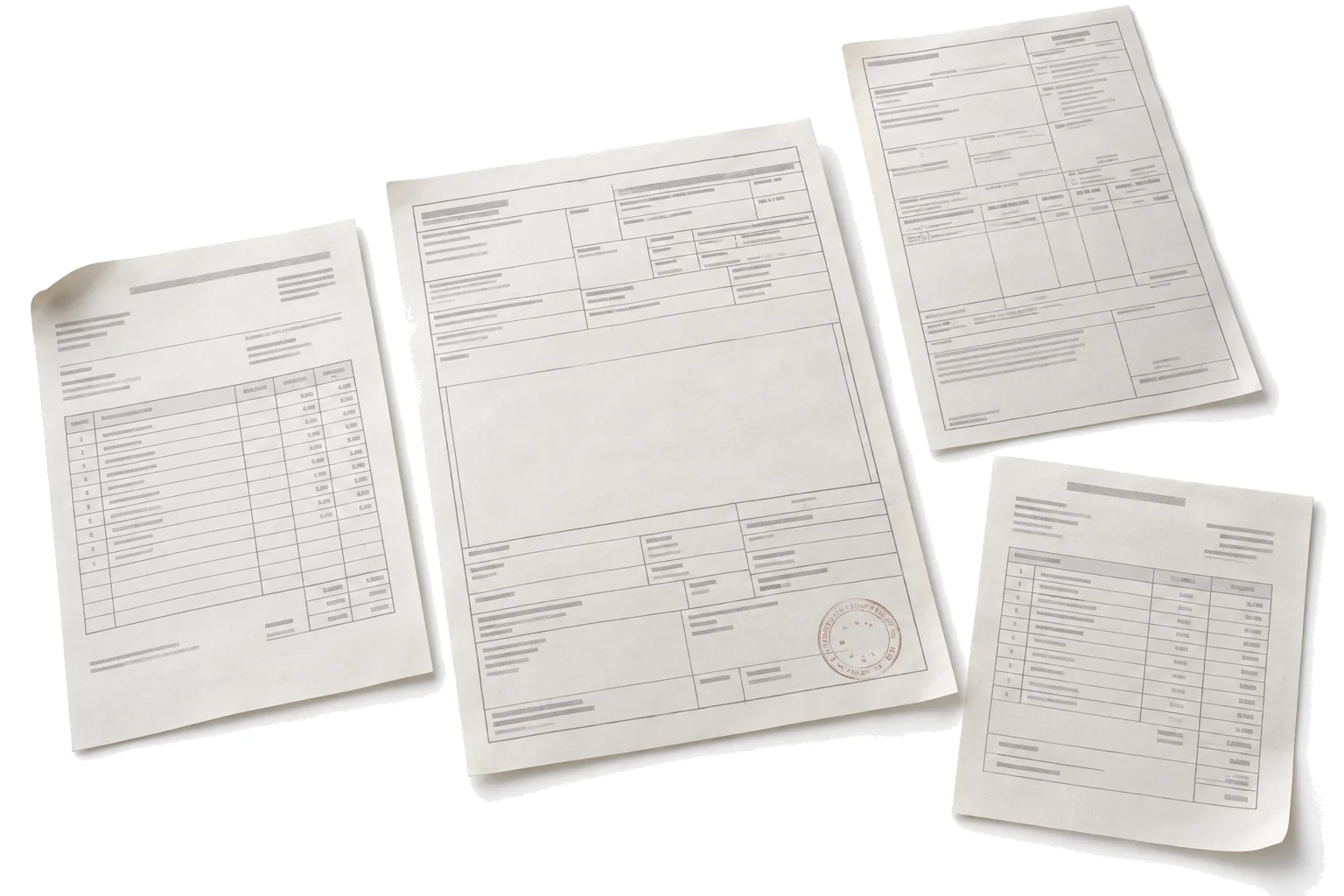
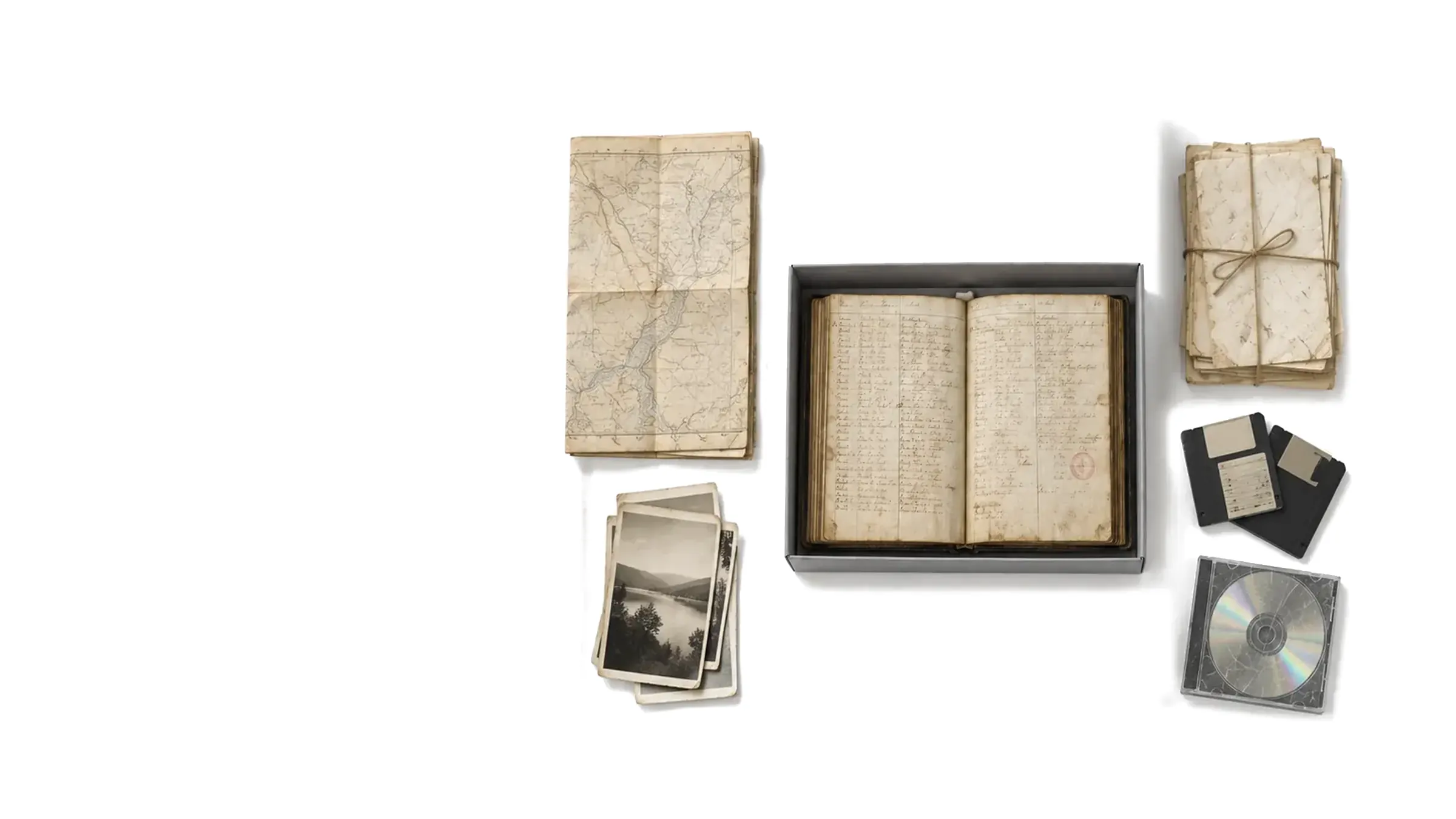
Paper records, archives, drawings, PDFs, images and disconnected systems.
Chinh Phong focuses on the gap between source material and dependable data.
Platform
The platform is organized as a production line, not a single tool. Each layer has a defined role, a measurable output, and a way to handle exceptions, so quality can be reviewed and accepted rather than assumed.
आंतरिक रूप से सत्यापित
The platform is exercised on real datasets under internal validation. Public customer evidence will follow approved case studies.
Architecture
Twelve platform layers
01 / 12
Digital intake & inventory
Receive digitized batches, register identity, count items, and check format and integrity.
02 / 12
Input quality assessment
Detect blur, skew, missing pages, duplicate pages, and blank pages.
03 / 12
Document understanding
Classify fixed forms, free-form documents, printed text, typewritten text, and handwriting.
04 / 12
Document separation
Automatically split merged PDFs into components and group them into the right file or entity.
05 / 12
Extraction
Extract fields, tables, entities, relationships, and the signals a workflow needs.
06 / 12
Entity resolution
Recognize when different documents describe the same person, plot, asset, organization, or object.
07 / 12
Deduplication & history
Detect duplicates, older versions, change events, and the current state.
08 / 12
Business rules
Apply domain logic, source priority, condition checks, and conflict handling.
09 / 12
Normalization
Standardize names, codes, dates, addresses, units, and target structures.
10 / 12
Quality & exceptions
Auto-pass, review, missing-source, and processing-error outcomes.
11 / 12
Provenance & audit
Link results back to source, version, processing step, and log.
12 / 12
Delivery & integration
Deliver Excel, CSV, JSON, API, or database outputs to the customer schema.
Core architecture
From source to systems
Every stage hands a defined artifact to the next and keeps its link back to the source.
Stage 1 / 10
Physical & legacy sources
Stage 2 / 10
Ingestion
Stage 3 / 10
Understanding
Stage 4 / 10
Extraction
Stage 5 / 10
Reconciliation
Stage 6 / 10
Rules
Stage 7 / 10
Quality
Stage 8 / 10
Provenance
Stage 9 / 10
Structured data
Stage 10 / 10
Business systems, analytics & AI
The platform produces data that is ready to use.
Configuration
One core, configured per industry
A shared core is configured into Industry Packs. Each pack defines its own schema, business rules, quality standard, and acceptance criteria, so the same production discipline fits different domains without forcing one template onto every problem.
Industry Packs are described on the Industries pages, together with the maturity level of each domain.
Engagement models
Design for industrial scale
We shape the engagement around the complexity of the data and the intended outcome.



Scope 1 / 3
Enterprise / institutional
A digitized archive turned into structured data you can search and trace.
Scope 2 / 3
Regional / project
One defined area, with a clear schema, business rules and delivery scope.
Scope 3 / 3
National / strategic
Broad programs across many institutions, with a shared architecture and acceptance model.
How to start
Start with one representative dataset
Select a representative dataset, lock the output schema and rules, and measure the platform against clear acceptance criteria before scaling production.
संबंधित जानकारी
और जानें
CHINH PHONG
Bring one dataset. See the production line.
Start with a representative dataset and a clear output standard. We will shape it into a measurable, reviewable, expandable data production workflow.
Discuss a digitization challenge