

Industry Pack · Logistics & Trade
Logistics & Trade
From trade documents to one connected operating data stream.
Discuss a digitization challenge
The problem
Trade documents arrive from many parties, in many formats, and describe the same shipment in different ways.
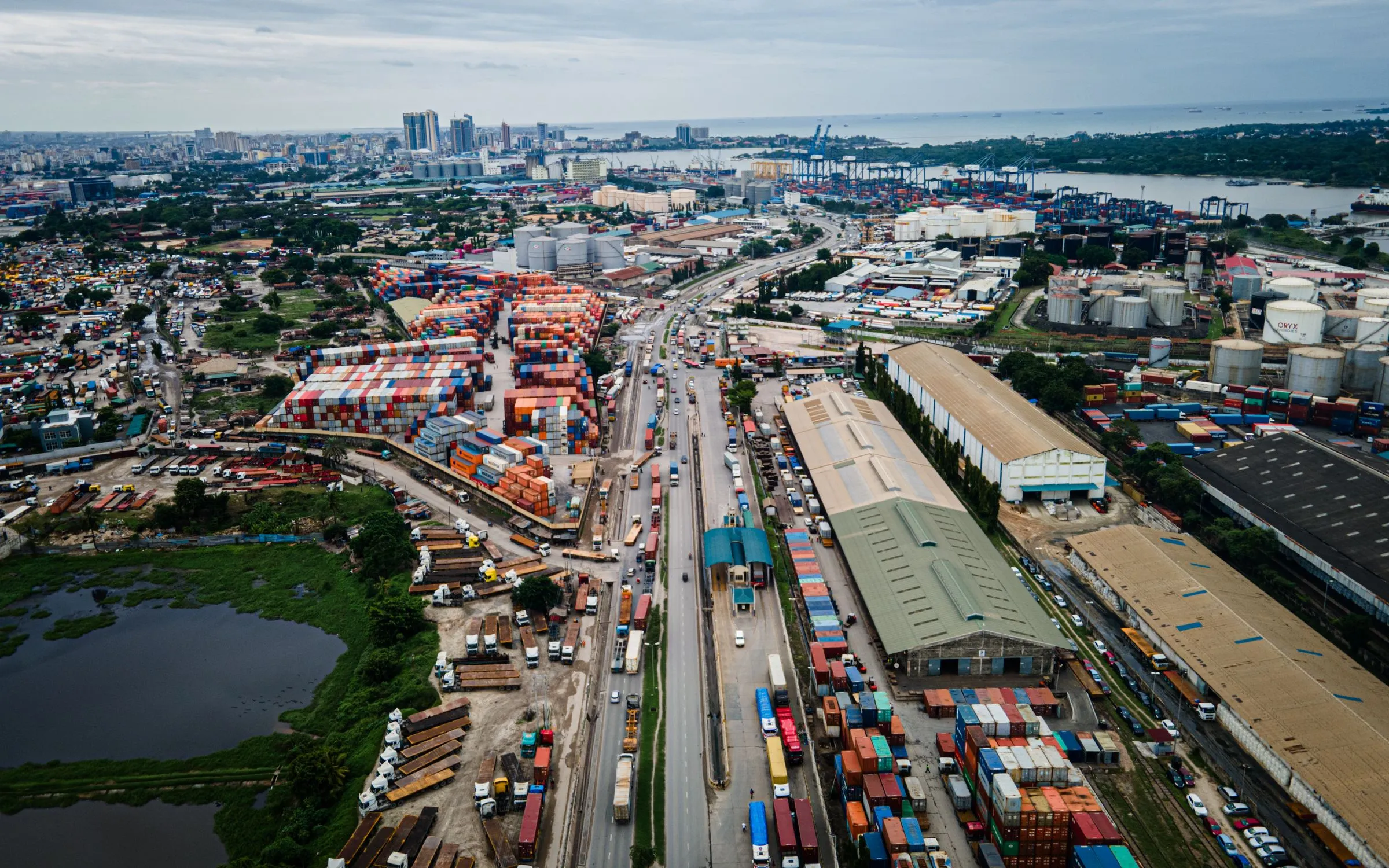
One shipment, many papers
The papers one route leaves behind
Paper 1 of 5
Bills of lading and manifests
Bills of lading, cargo manifests and other transport papers.
Paper 2 of 5
Vehicle and container files
Files that describe the vehicles, consignments and containers.
Paper 3 of 5
Import-export dossiers
Import-export records and papers exchanged with partners.
Paper 4 of 5
Invoices and packing lists
Commercial invoices, packing lists and customs paperwork.
Paper 5 of 5
Warehouse and transport records
Warehouse receipts, delivery notes and transport records.
Hard problems we solve
Five papers, one shipment, five versions of it
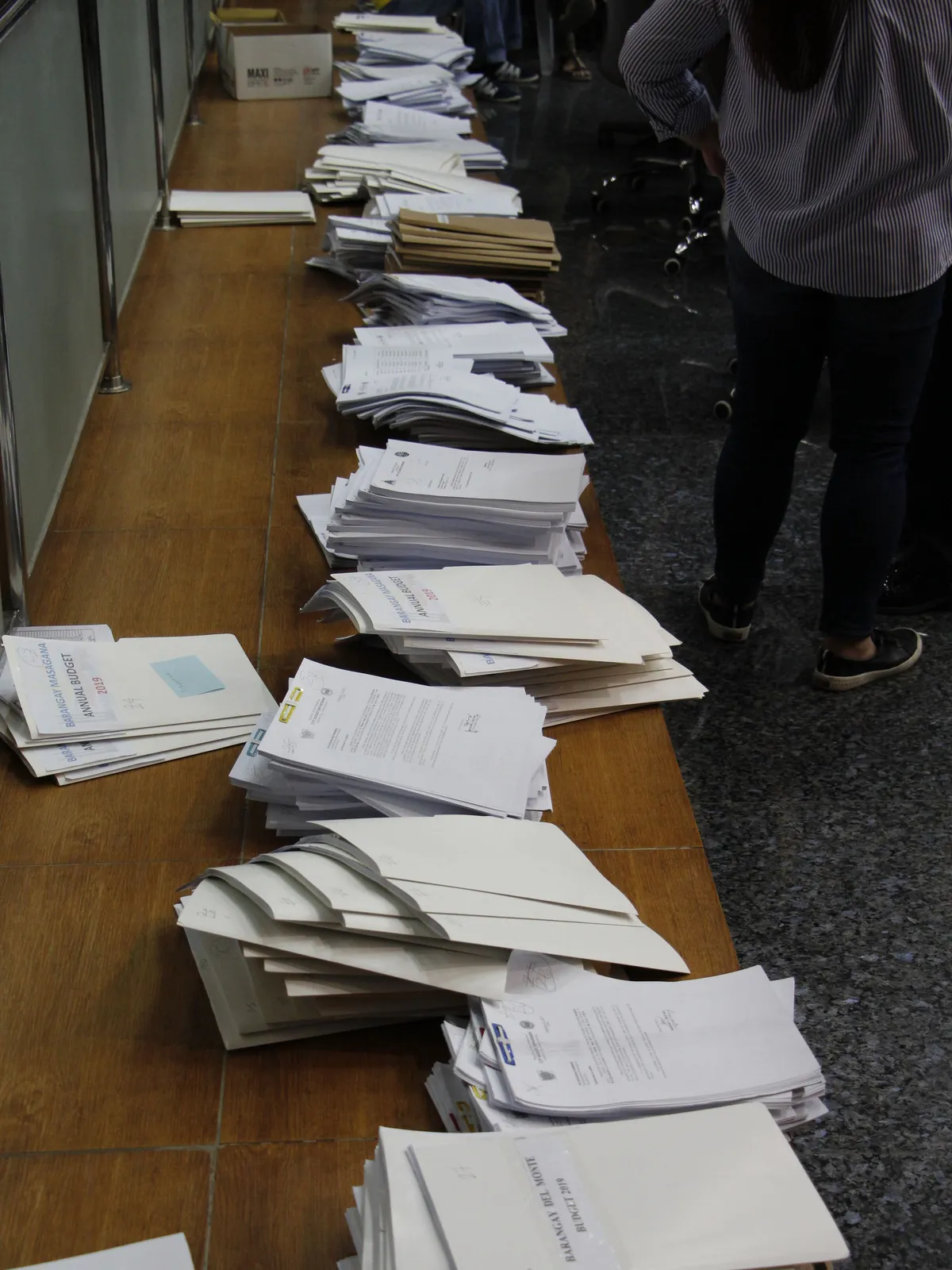




Problem 1 of 5
Many papers, many partners
Every shipment passes through several parties, formats and document types.
Problem 2 of 5
Codes that don't match
Goods and shipment codes are not used the same way from one paper to the next.
Problem 3 of 5
One name, many spellings
The same partner, place or item appears under different spellings.
Problem 4 of 5
Papers out of order
Papers must be linked along the shipment's timeline before they can be used.
Problem 5 of 5
Figures that don't agree
Shipped, declared and invoiced figures rarely agree until they are reconciled.
Target outputs
One record for the whole shipment
Record
Shipment records
One record per shipment, built from its own papers.
Links
Papers, goods, partners, vehicles
Each paper linked to the goods, the partners and the vehicles it names.
Exceptions
Reconciliation and exceptions
Figures checked against each other, with every exception called out.
Milestones
Shipment timeline
Milestones put in order along the shipment's timeline.
Systems
Data for your systems
An API and dataset that can be set up in the logistics systems you already run.
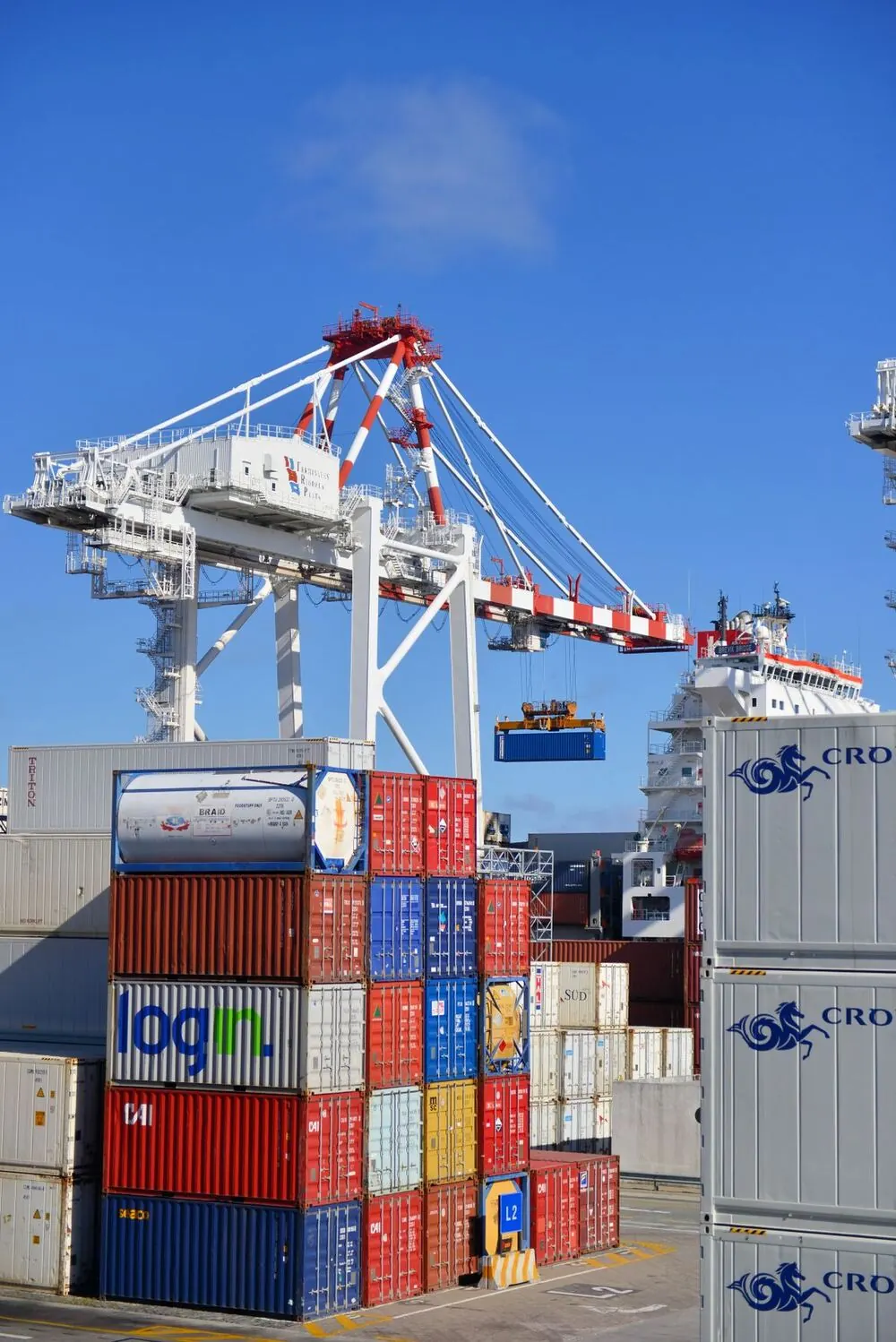



Where the value lives
From a folder of papers to an operating stream
Value 1 of 3
One shipment data layer
One consistent layer for tracking, reconciliation and analysis.
Value 2 of 3
Traced to the source
Every value can be traced back to the document it came from.
Value 3 of 3
Ready to run on
A data line that feeds tracking, reconciliation and your existing logistics systems.
Start with one representative shipment dataset
Bring one set of shipment papers and a fixed output format. We shape it into a data line you can measure, accept and grow.
Pick a dataset
Choose a set of shipment papers that shows your usual mix.
Fix the format and rules
Agree the output format, the business rules and the fields that matter most.
Agree what counts as done
Set rules for missing or conflicting sources, and the checks the result must pass.
Test before scaling
Run a benchmark against the project's Golden Standard before full production.
Built for document-heavy trade and logistics work. Output goes into production only after it passes acceptance on a representative shipment dataset.
Next industry pack
Legal & Justice
Organize legal records by entity, event, evidence and history.