

Industry Pack · Enterprise
Enterprise
Turn document stores into data and operational knowledge.
Discuss a digitization challenge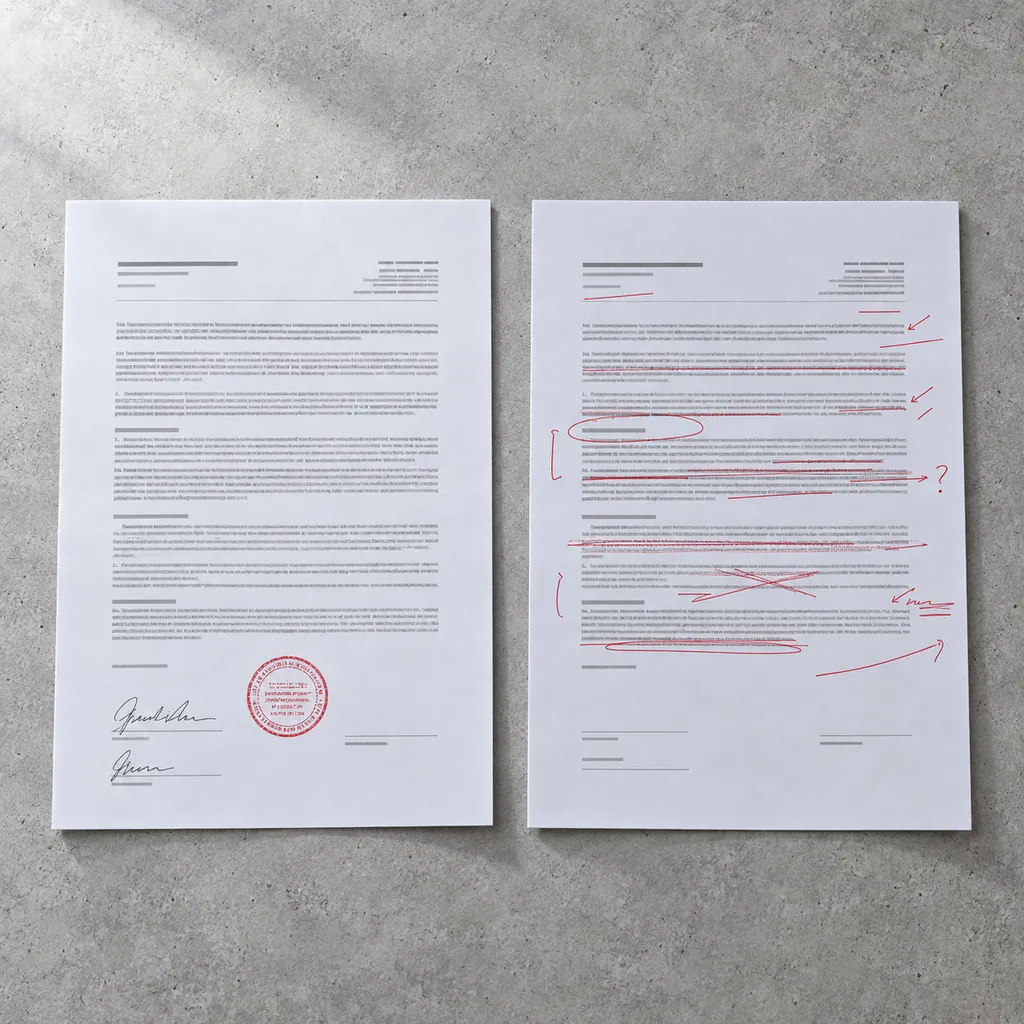

Where it starts
Many files, no data.
The files
The files that run the business
Contracts, orders, customer files, SOPs, quality records, HR files and invoices.
The departments
Each department files its own way
The files come from many departments, with different names, versions and dates.
The answers
Answers stay in folders
They wait there until someone remembers where to look.

One customer, many piles
What it reads
The same piles
Why no one can find it
File type 1 of 5
Contracts, orders and customer files
Commercial documents and the files behind each customer.
File type 2 of 5
Technical files, SOPs and QA/QC
Specifications, procedures and quality records.
File type 3 of 5
HR and operations files
Personnel, payroll and day-to-day operations records.
File type 4 of 5
Invoices, minutes and letters
Financial documents, meeting minutes and letters.
File type 5 of 5
Internal forms and templates
Forms and templates used across departments.
Problem 1 of 5
Scattered across departments
The same subject is recorded differently in each department.
Problem 2 of 5
Names and codes that differ
Customers, products and projects carry different names and codes.
Problem 3 of 5
Versions and validity
Files have different versions, start dates and statuses.
Problem 4 of 5
Access by role
Records must be visible only to the roles that should see them.
Problem 5 of 5
Search that misses context
Keyword search cannot answer questions that depend on linked records.
What comes out
One customer, one record.
Output 1 of 5
Structured records
Contracts, orders, customers and daily operations become structured records.
Output 2 of 5
One knowledge base
An organized knowledge base built from your own documents.
Output 3 of 5
Linked records
Each contract is linked to its customer, its assets and its projects.
Output 4 of 5
Access set by role
Built so access can be set for each role.
Output 5 of 5
Ready for search, reports and internal AI
Data structured for internal search, reporting and analysis.
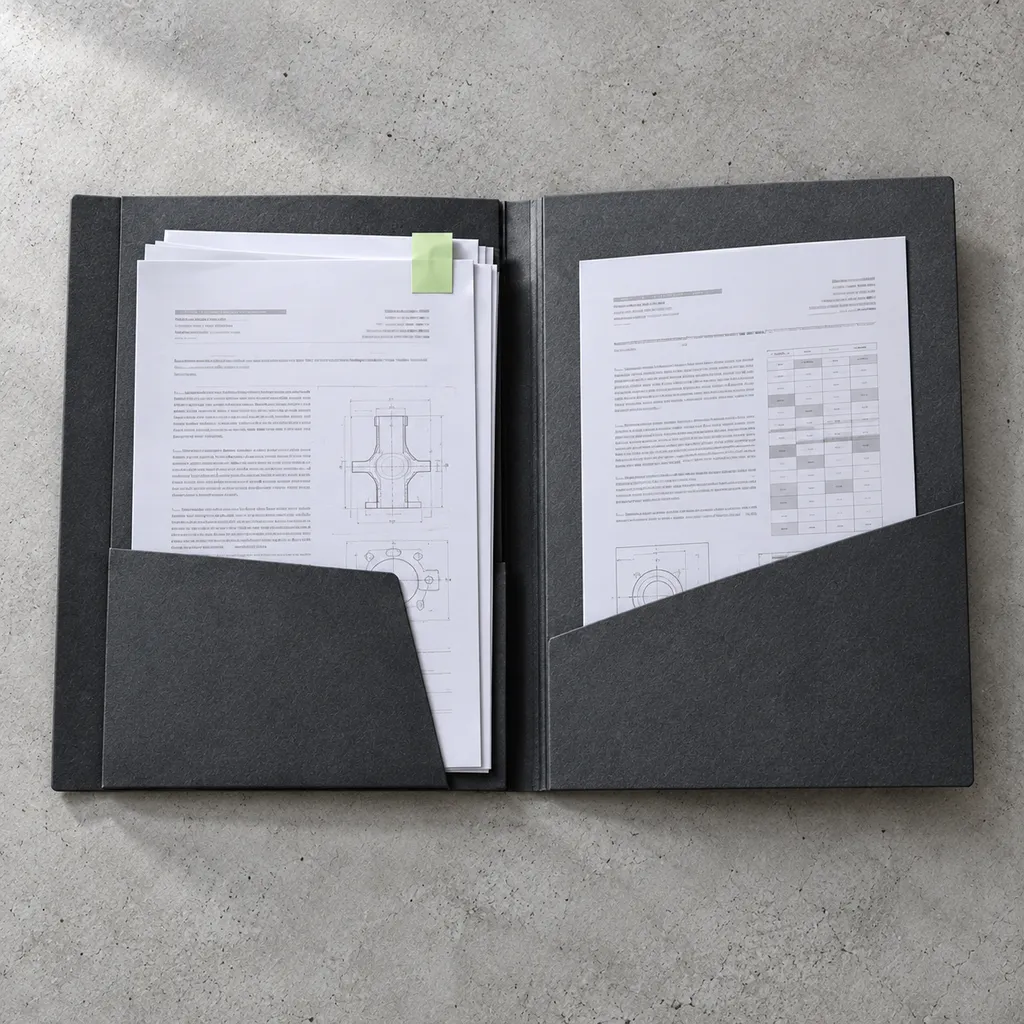
7 kinds of file, one customer.



Where the value lives
Out of the folders.
The value
Answers no longer wait in folders until someone remembers where to look.
Enterprise digitization
Watch how Chinh Phong connects business documents into structured records and a knowledge base while preserving access permissions.
2 min 6 s, illustrative data
Chapters
Your documents hold answers no one can find?
Start with one sample of your files and a clear standard for the result. We will turn it into a data production line you can measure, accept and grow.
Pick a sample
Choose one set of files that shows your usual mix.
Fix the fields and rules
Agree the data structure, the business rules and the fields that matter most.
Agree what counts as done
Set rules for missing or conflicting files, and the checks the result must pass.
Test before scaling
Run a benchmark on the sample before full production.
This is a designed service for companies with many documents, not a claim of a past project. It goes into production only after a sample of your files passes the benchmark and the acceptance checks.
Next industry pack
Finance & Insurance
From high-value records to data produced under strict security control.