

Industry Pack · Finance & Insurance
Finance & Insurance
From high-value records to data produced under strict security control.
Discuss a digitization challengeTypical input data
What one file holds.
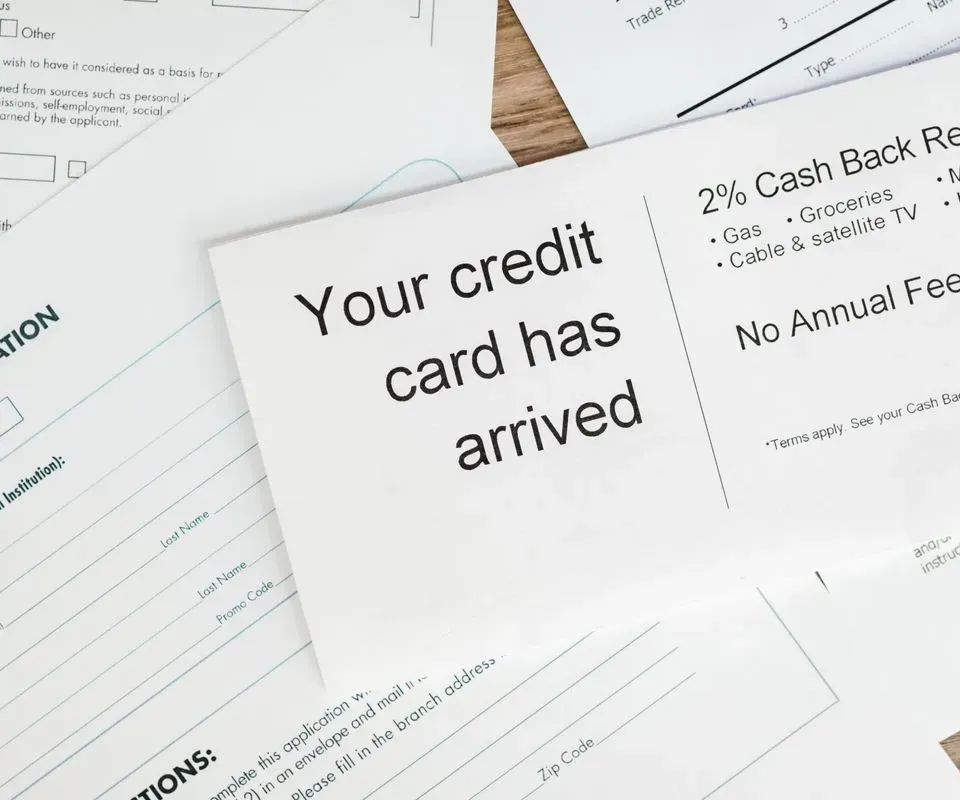




Input 1 of 5
Credit and KYC files
Credit applications, KYC records and customer due-diligence documents.
Input 2 of 5
Collateral and asset records
Security registrations, asset documents and valuation paperwork.
Input 3 of 5
Contracts and supporting documents
Loan, insurance and service contracts with their annexes and receipts.
Input 4 of 5
Insurance claim files
Claim dossiers, claim forms and the evidence attached to them.
Input 5 of 5
Appraisal reports and old records
Appraisal reports, approval decisions and old files held across systems.

Audit trail
Every value needs a path back to its page.
One file holds identity data, financial data, collateral records and claims history. Each class has its own handling rules.
Trace 1 of 4
One value
Every value needs a traceable path from the source page to the output.
Trace 2 of 4
The same fact, another document
The same fact is compared and reconciled across documents and systems.
Trace 3 of 4
Personal and financial data
Two sensitive data classes in one file set, each with its own handling rules.
Trace 4 of 4
A critical field
An error here carries consequences far beyond the record itself. Critical fields go to human review.

Human review
Credit and insurance decisions stay with people.
Under your own policy and authority.
Where the value lives
A controlled data layer.
Every automation carries quality criteria, and critical fields go through human review. Chinh Phong produces data only inside an approved scope.
- Records to the business schema
- Evidence links
- Risk flags and exceptions
- Critical-field review data
- Data for checking, operations and policy-bound AI
Start with one representative dataset
Start inside an approved scope. We shape it into a data production line that can be measured, reviewed and accepted before scaling.
Pick the dataset
Select a representative set of files.
Lock the rules
Lock the schema, business rules and critical fields.
Settle the gaps
Agree rules for missing values and sources that conflict, and the acceptance criteria.
Benchmark first
Run a benchmark against the project's Golden Standard before scaling production.
Designed for credit, insurance and financial record sets that demand strict security control. Production begins only after the schema, rules and acceptance criteria are locked on a representative dataset.
Next industry pack
Logistics & Trade
From trade documents to one connected operating data stream.