
Industrial Digitization
Capabilities
The technical capabilities behind the data factory, from document understanding to integration.
Discuss a digitization challengeFile 01 · 5 pages · Fake data
Capabilities are not presented as isolated tools. Each one has a defined role in the production line and a measurable output.
Stage 1 · Read
Document Intelligence
Read and understand many document types without depending entirely on fixed forms.
Application · Permit · Site plan · Copy · Amendment
Complex PDF Decomposition
Automatically split merged files, identify the components of a record, and regroup them in the right context.
1 merged PDF · 5 parts
OCR + Handwriting
Combine recognition of printed, typewritten, and handwritten text under real data conditions.
Read · Page 01 · Parcel no. 46
Multimodal Understanding
Read text, images, maps, and visual documents when the problem requires it.
Read · Page 03 · Parcel 45 · 4.0 × 20.0 m
Stage 2 · Extract
Data Extraction
Extract fields, tables, entities, and relationships into the target schema.
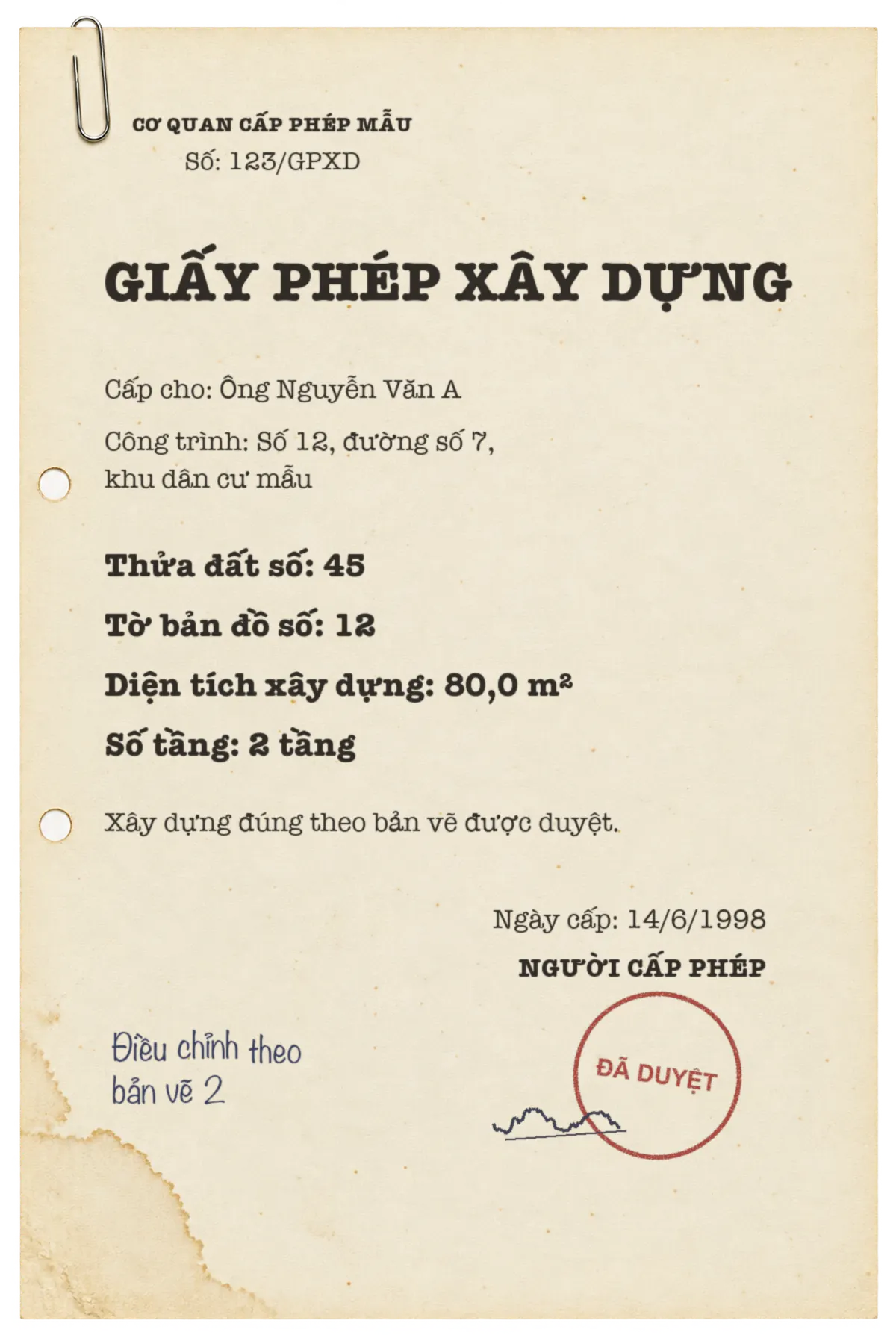
Page 02 · 6 fields: 123/GPXD · Parcel 45 · Sheet 12 · 80.0 m² · 2 floors · 14/6/1998
Stage 3 · Clean
Reconciliation
Compare multiple sources to resolve conflicts and determine the priority value.
Conflict · Parcel no.: 46 is not 45
Deduplication
Detect duplicate documents and records, and consolidate history by entity.
Copy · merged · Page 04 duplicates Page 02
Current-State Resolution
Separate history from the current state when the business requires it.
Current: 3 floors · 2003 · History: 2 floors · 1998
Stage 4 · Check
Golden Standard
Lock the correct standard before scaling into production. A capability enters production only after it is configured for the project and measured against its Golden Standard.
Record against the Golden Standard · Match 3 / 3 fields
Stage 5 · Produce
Industrial Scaling
Measure capability by standard-passing output and replicate by production unit.
Capabilities are designed into the platform and enter production only after they are configured and measured against the project's Golden Standard.
Data Provenance
Trace results back to the document, page, version, and processing step.
Source of the value 45 · File 01 · Page 02 · Scan 1
On-Premise / Private Deployment
Deploy on controlled infrastructure for sensitive data.
The project's infrastructure · on premises
Integration
Export to the target schema, API, data warehouse, or existing business systems.
Export to: Schema · API · Data warehouse · Business systems
The harder the legacy data, the more valuable the production layer becomes.

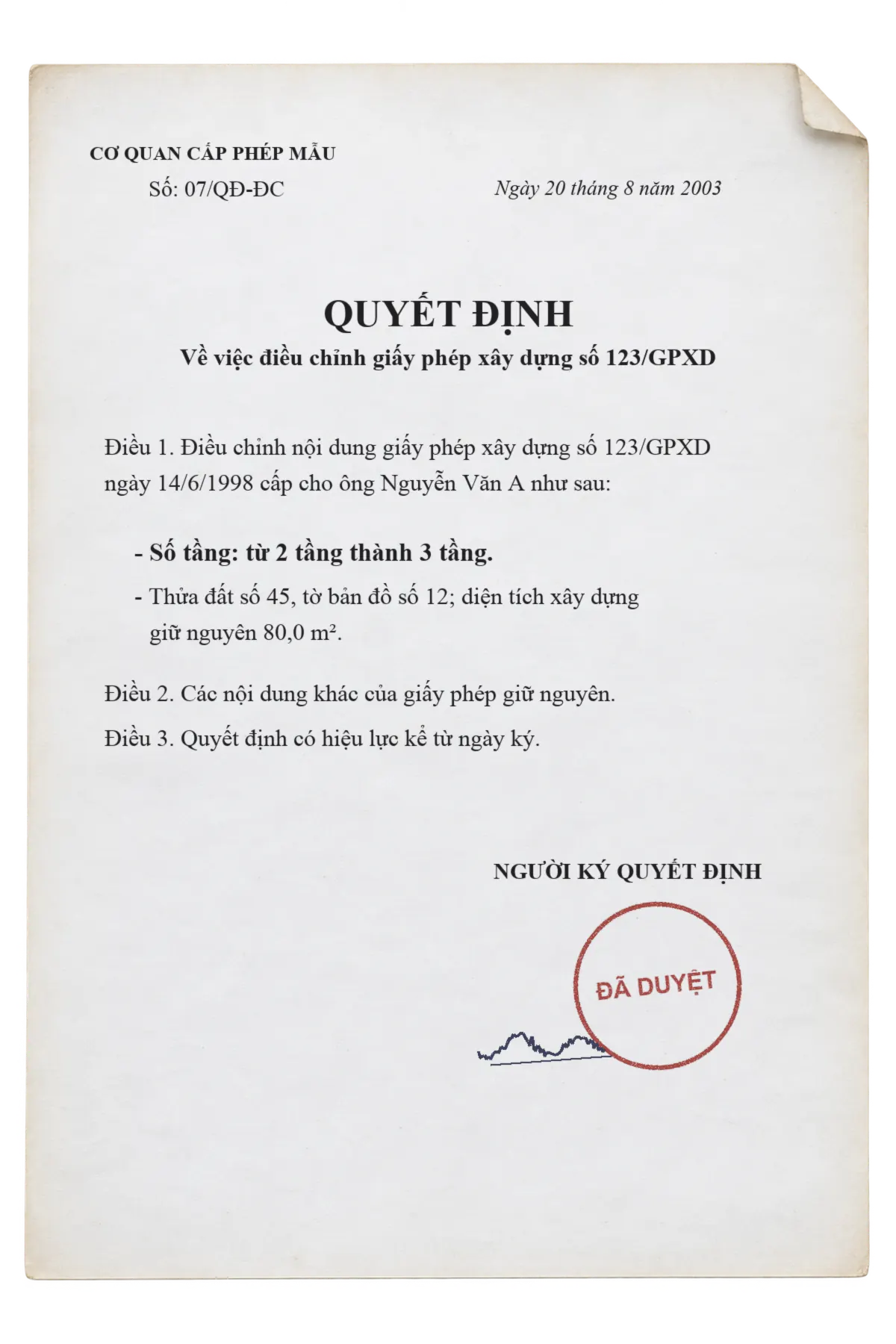
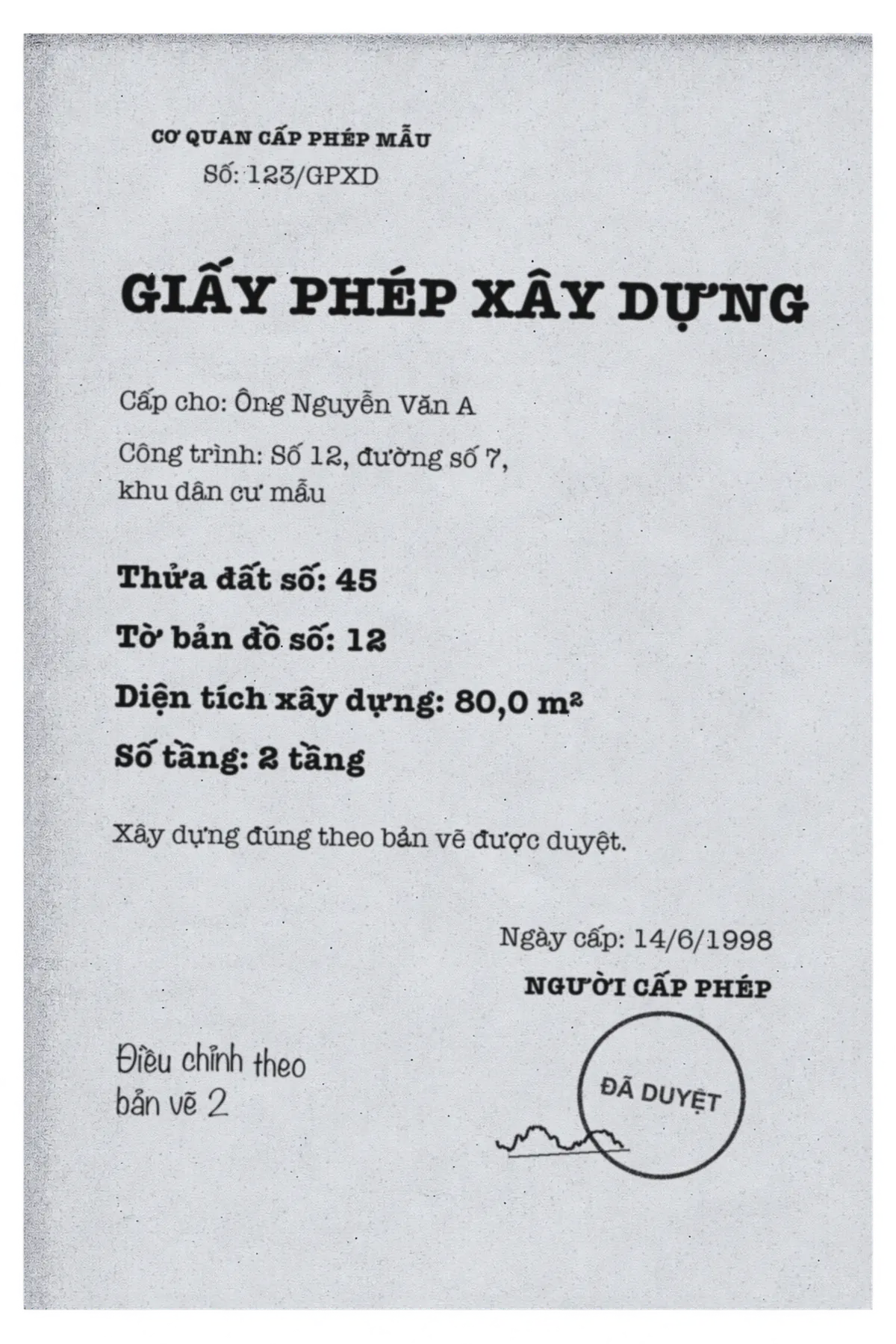
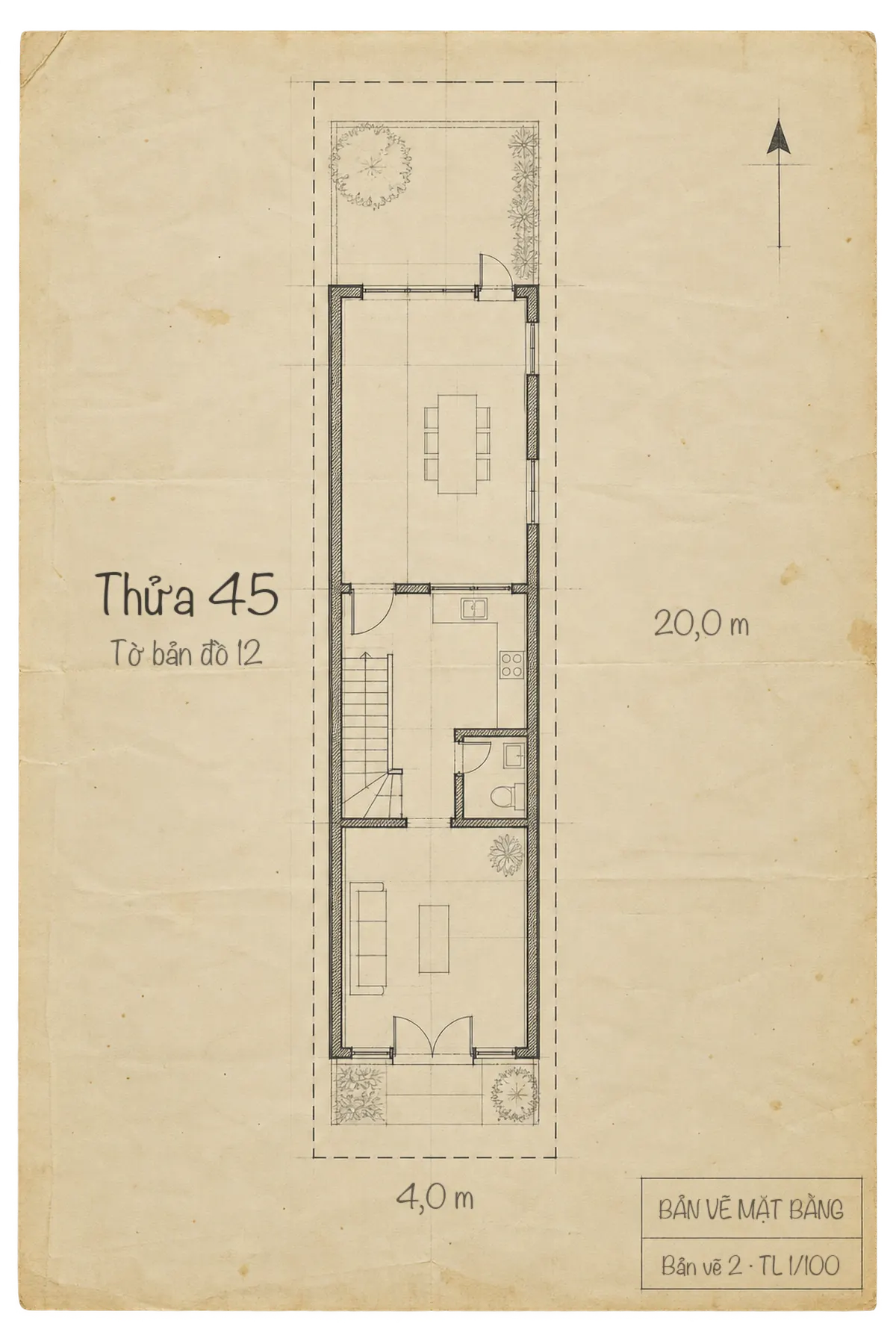
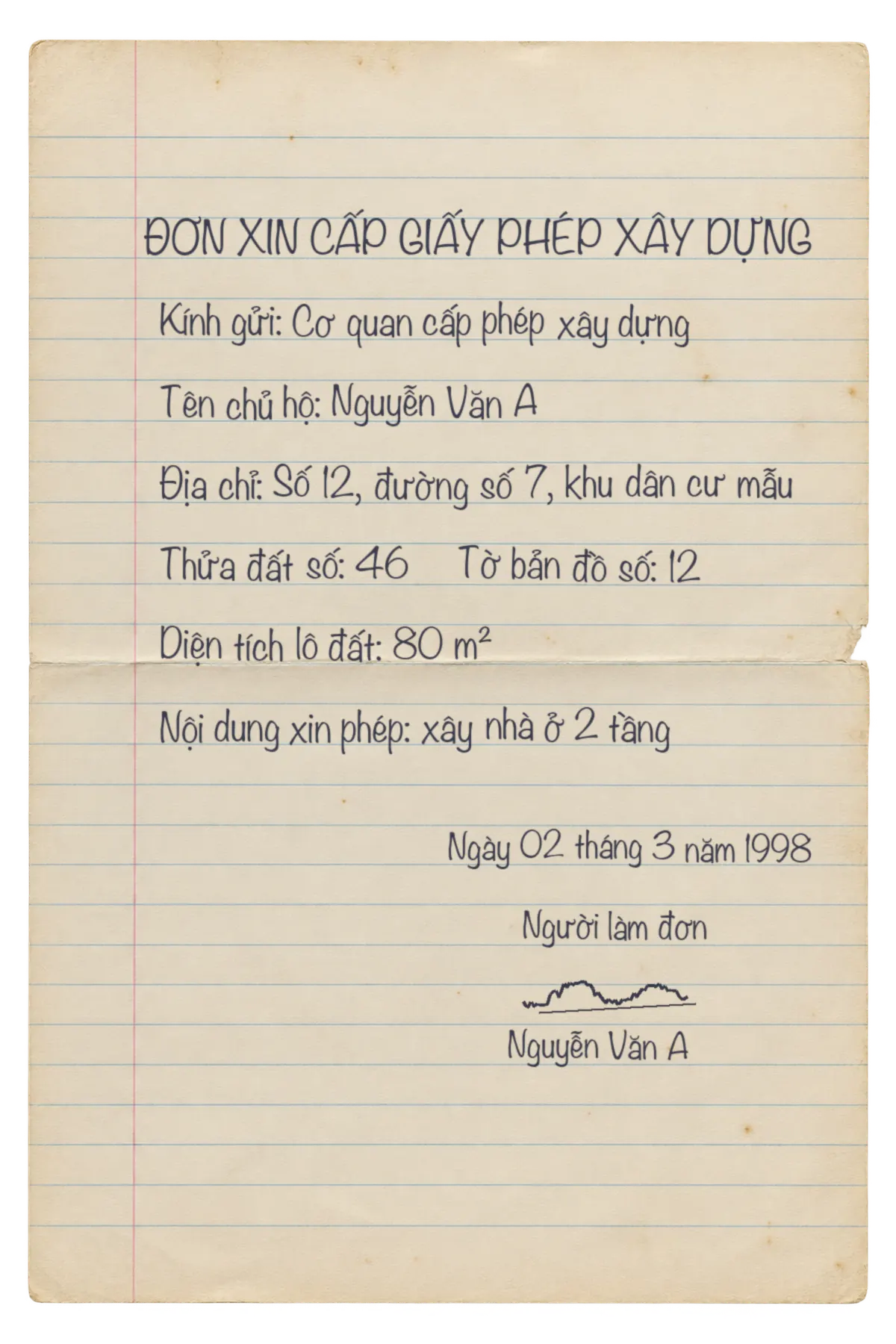
Record · File 01 Meets the Golden Standard
- Permit no.
- 123/GPXD
- Parcel no.
- 45
- Area
- 80.0 m²
- Current floors
- 3 · since 20/8/2003
Source of the value 45 → File 01 · Page 02 · Scan 1 · Steps 05 · 06 · 10
Sample · Fake data
File 01 · 5 pages · Fake data
Check · 4 / 5
Rules Engine
Apply domain rules, logic checks, and cross-field validation.
- Area matches the site plan Pass
- Floors follow the 2003 decision Pass
- Parcel no. matches across sources Fail
Human-in-the-Loop
Route hard exceptions to a human reviewer instead of forcing the AI to answer.
Exception · Parcel no.: the reviewer picks 45 · based on pages 02 and 03
Start with one representative dataset
Choose a representative dataset, then lock:
- 01Output schema
- 02Business rules
- 03Key fields
- 04Handling of missing or conflicting values
- 05Acceptance criteria
Measure the result against those criteria before scaling production.
Put the capabilities to work on your data.
Bring one representative dataset and a clear output standard. We will identify which capabilities it needs, configure them, and measure the result against agreed criteria.
Discuss a digitization challenge