

Industry Pack · Archives & Historical Records
Archives & Historical Records
Preserve the original. Activate the data.
Discuss a digitization challenge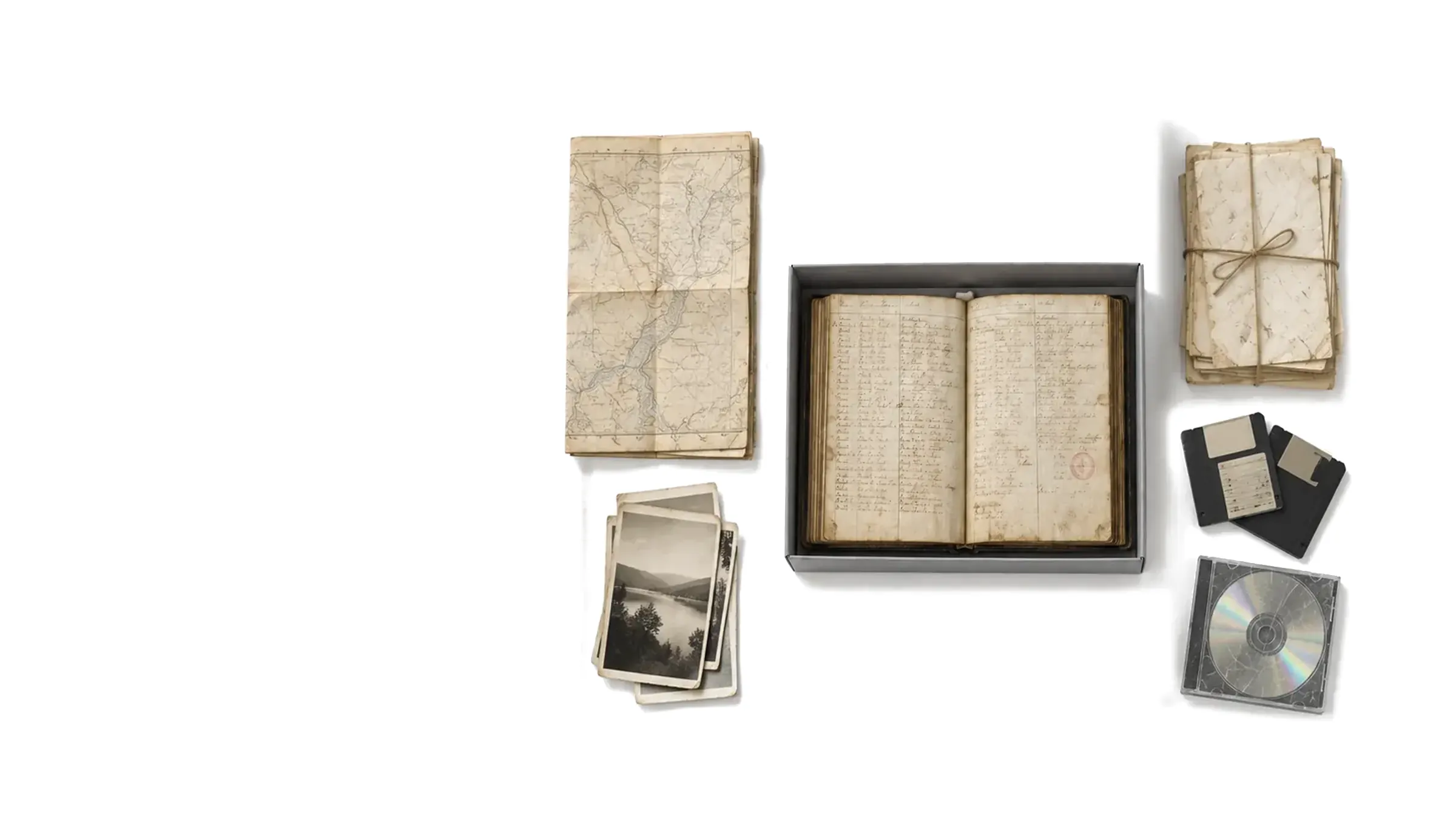
What comes in
One box, many kinds of record
Paper files, bound and loose. Photographs, maps and old administrative documents. Old scans with little or no description.
The problem
Scanning is only the start
The real work is finding a document again, decades later.
Problem 1 of 5
Names change over time
Place names, terms and ways of sorting change from one period to the next.
Problem 2 of 5
Access rules stay attached
Rights and access rules differ by item and must stay with it.
Problem 3 of 5
Description, versions and origin
Each item needs a description, a version history and an origin you can trace.
Problem 4 of 5
Kept and findable for decades
The material must outlive file formats and still be found later.
Problem 5 of 5
Uneven quality
Paper, scans and digital files arrive in very different condition.
Reading one page
Old handwriting, kept as data
Step 1 of 4 · Scan
Scan and clean up
Each page is scanned, cropped, turned straight and cleaned to an agreed standard.
Step 2 of 4 · Read
Read the text
Printed and handwritten text is read, and the fields that describe the page are pulled out.
Step 3 of 4 · Link
Find it by person, place and time
Each field joins a digital catalog tied to the page, so it can be searched.
Step 4 of 4 · Check
People check what matters
A person reviews the critical fields before the record is accepted.
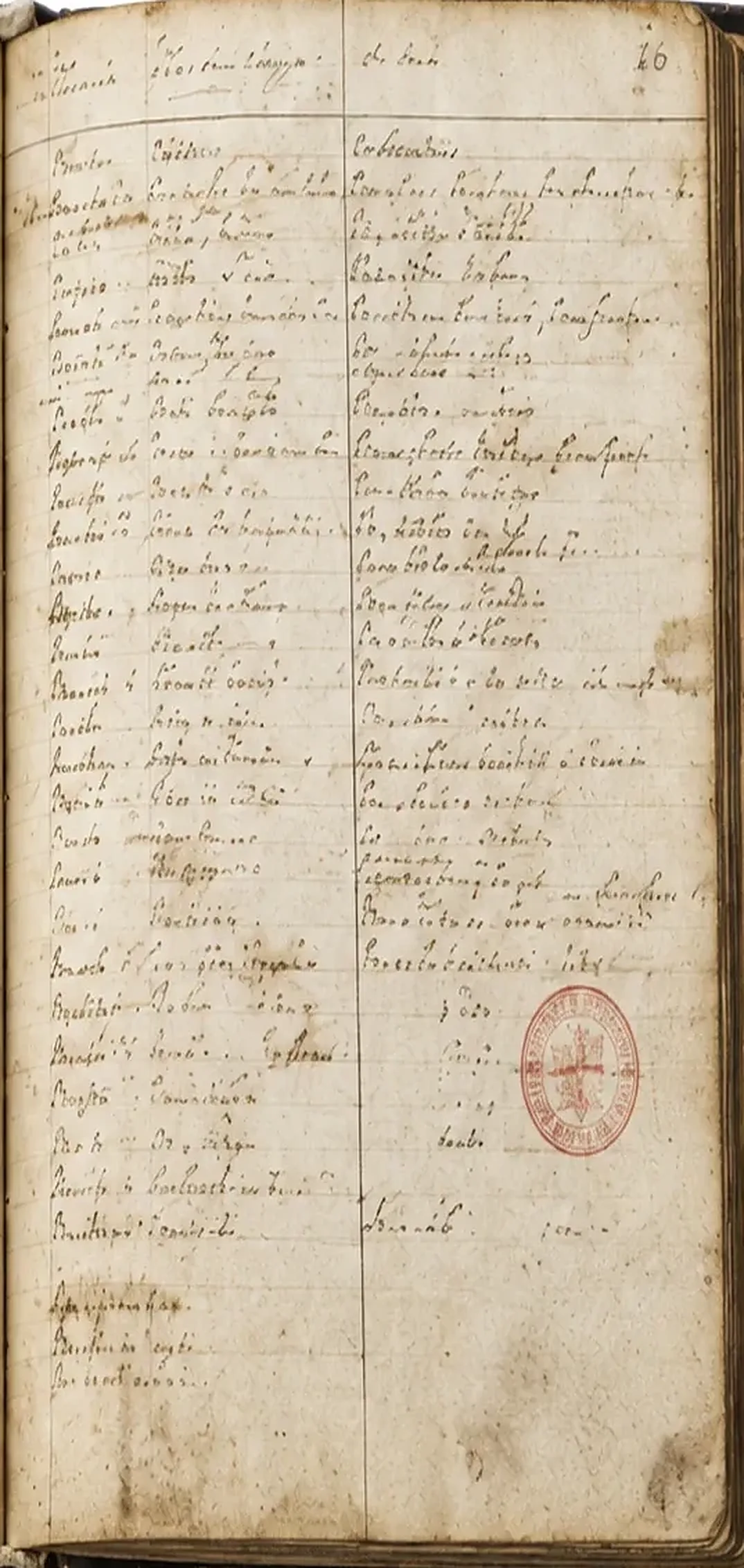
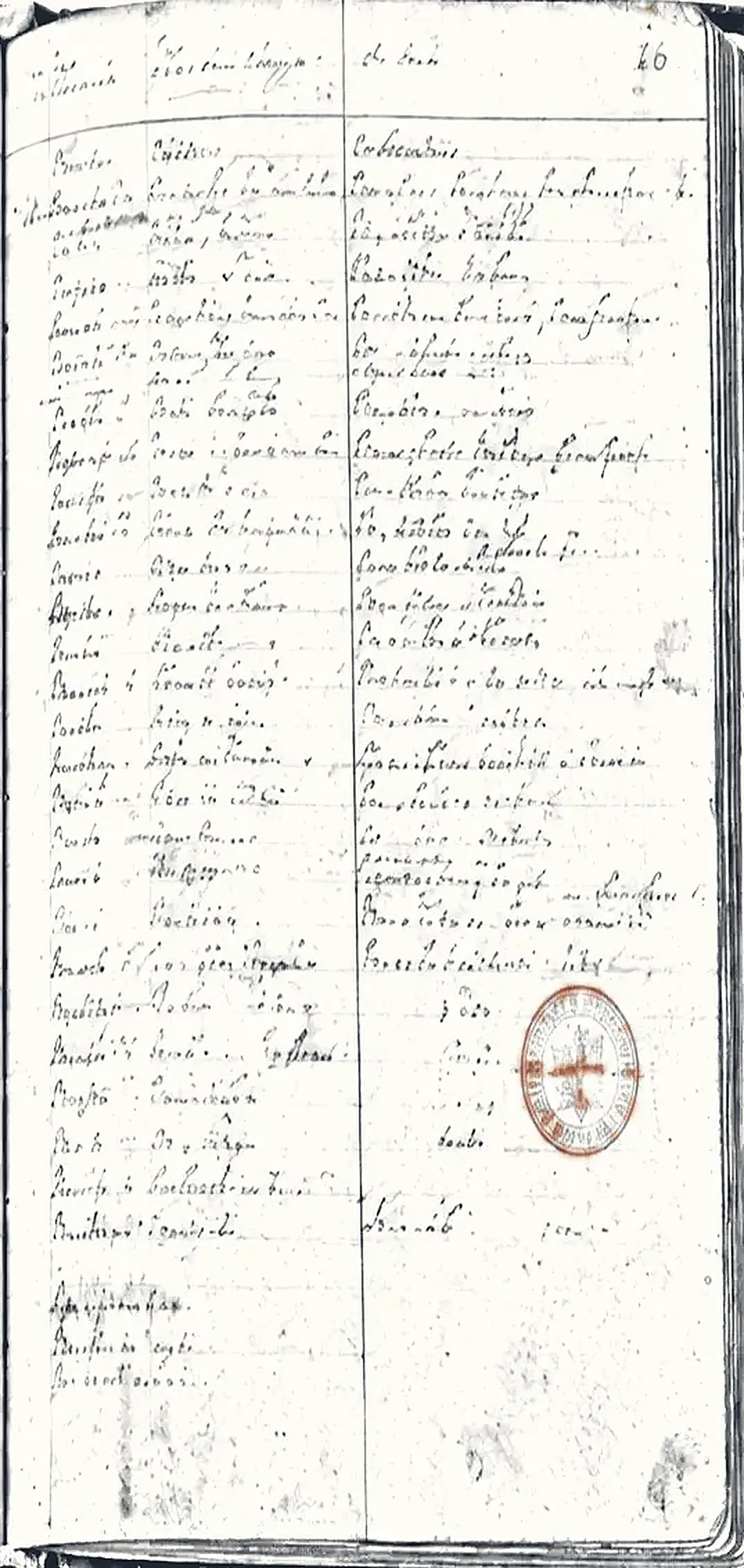
Sample record
Checked by a person- Document
- Register, handwritten
- Person
- Name read, linked
- Place
- Old place name, linked
- Time
- Entry date, read
- Origin
- Archive stamp, traced
- Access
- Rules kept with the page
What you get
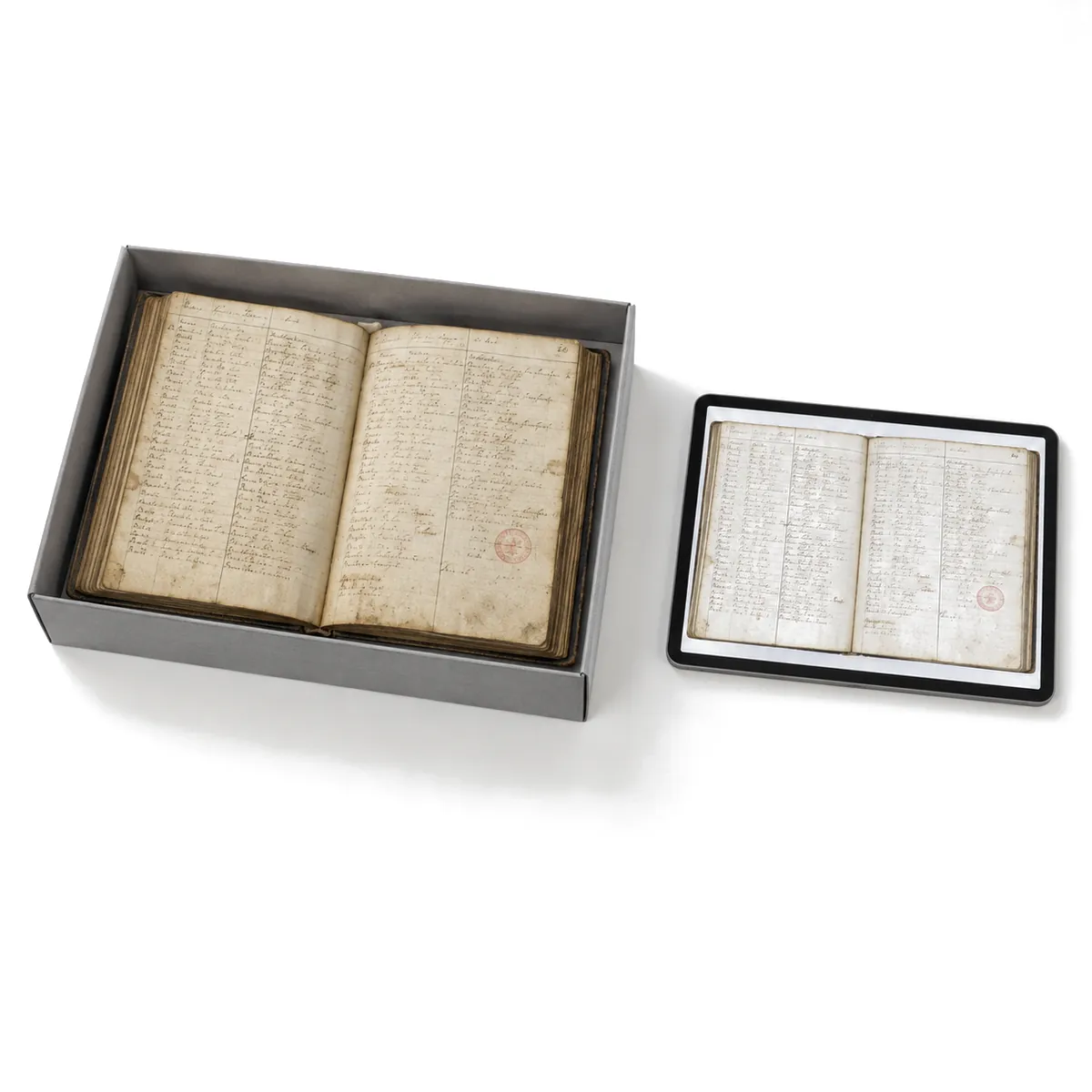
The original kept, the data put to work
Output 1 of 5
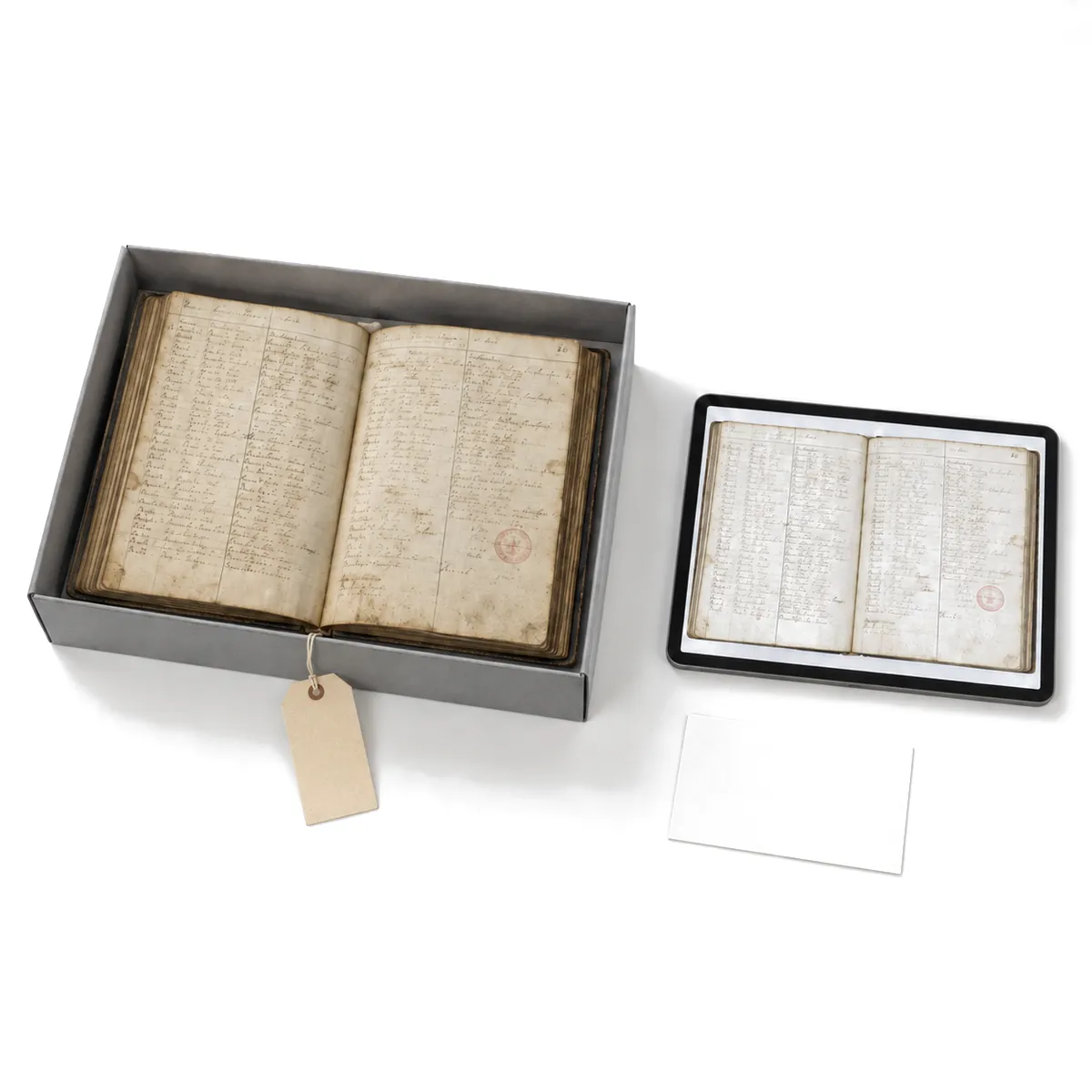
A digital master
A preserved master copy of each page, made to the project's policy.
Output 2 of 5
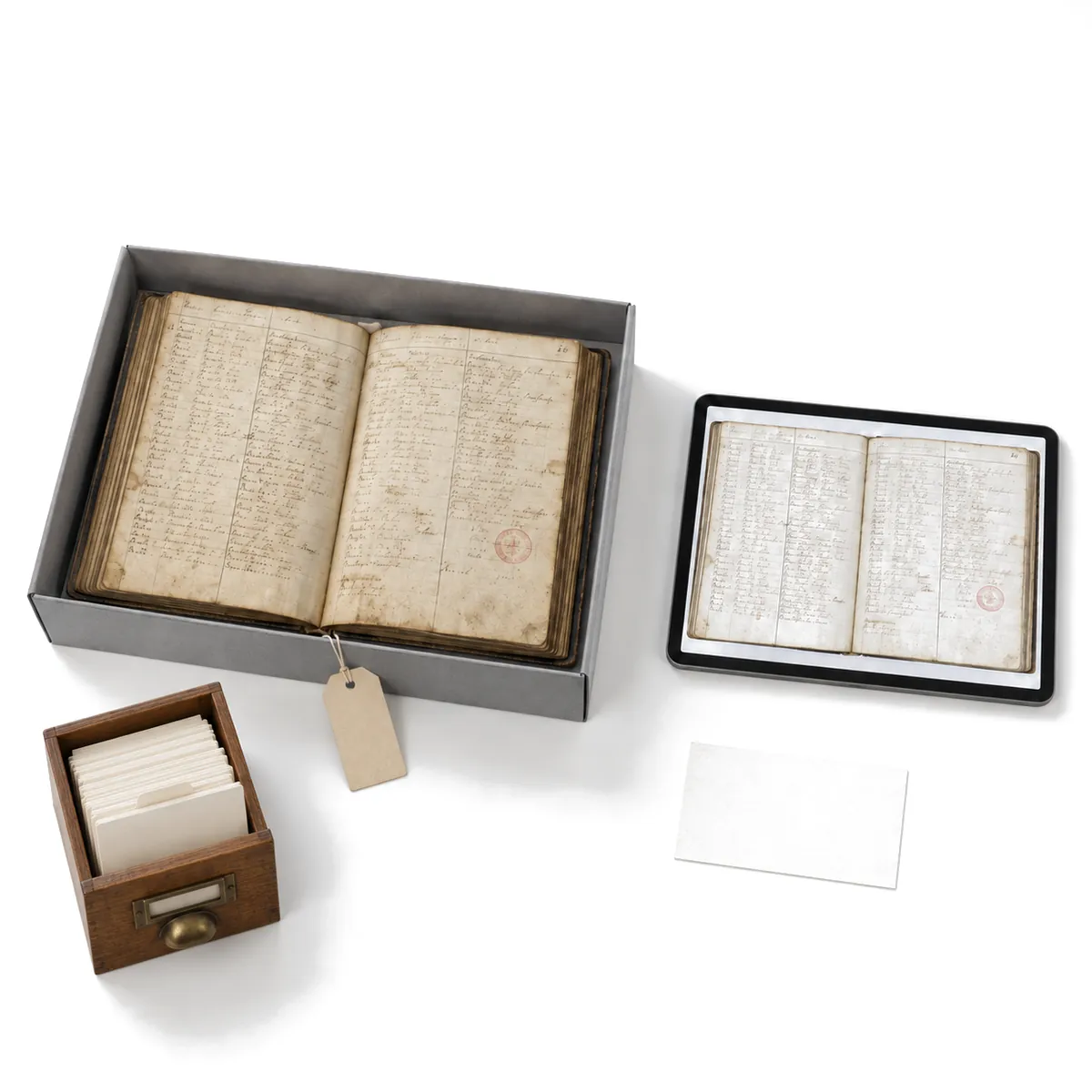
Description of content and file
Metadata that describes what the document says and the file itself.
Output 3 of 5
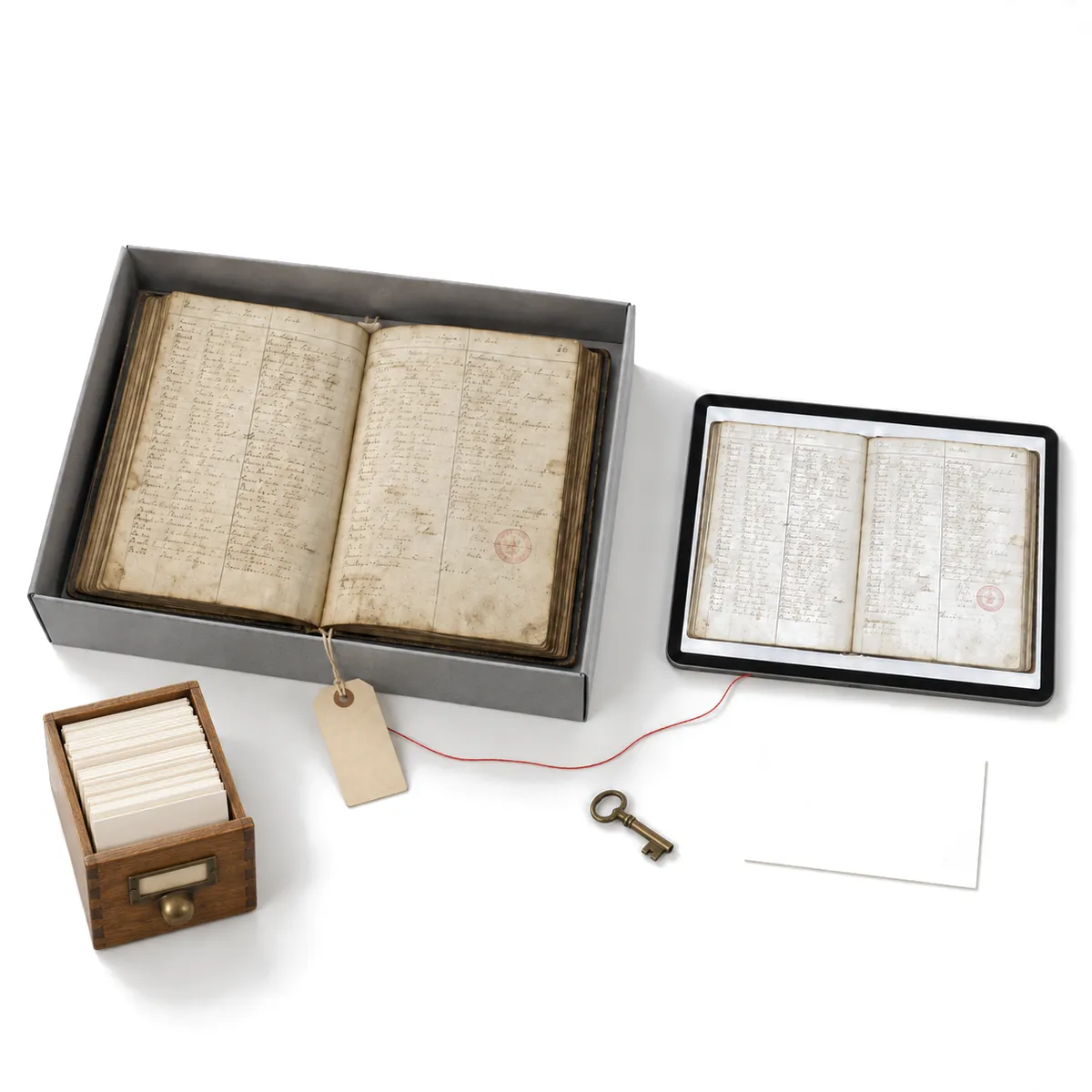
Search by person, place and time
Indexes and linked names built so each document can be found again.
Output 4 of 5
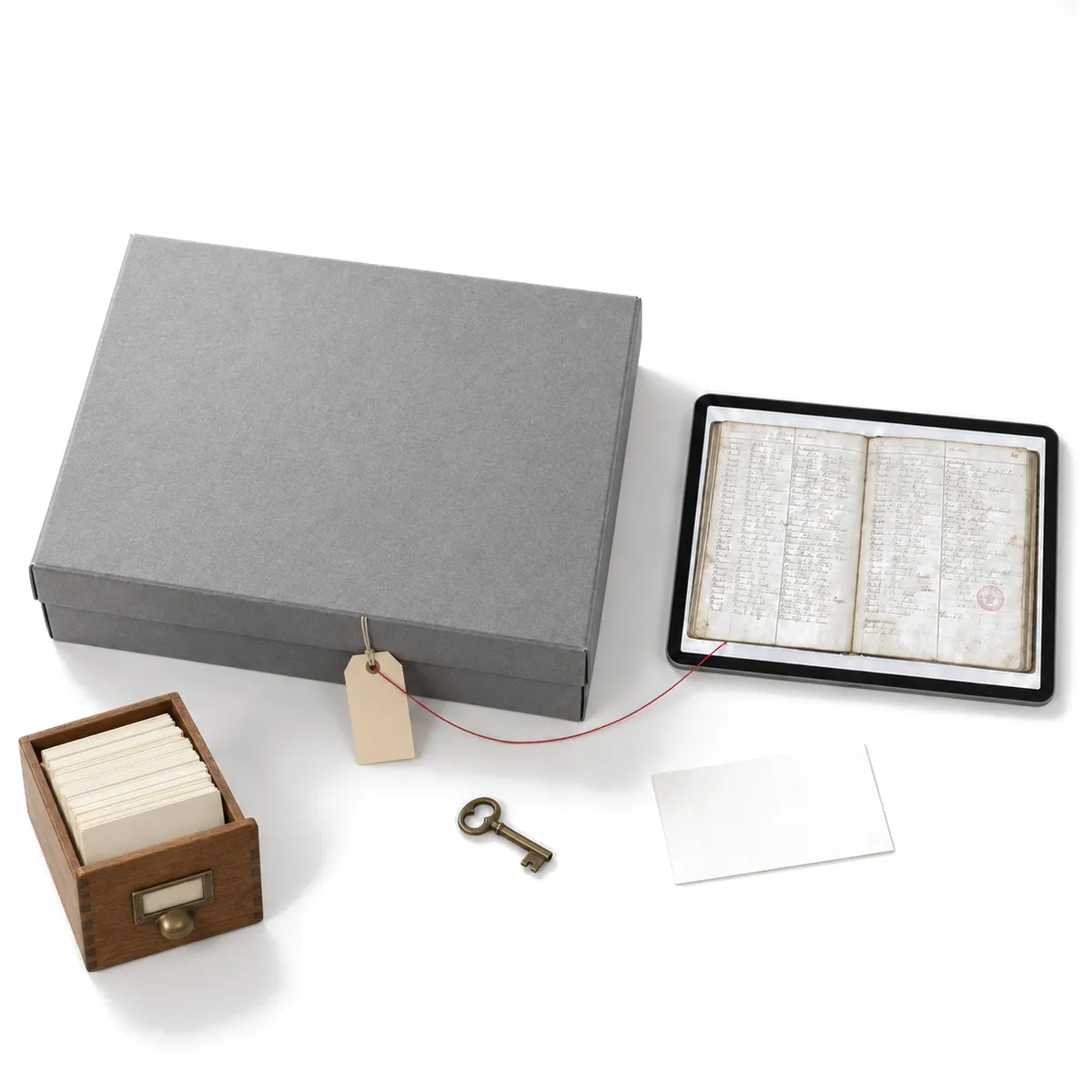
Origin and access, linked
Links to where each item came from and to the access rules that apply.
Output 5 of 5
Data to reuse, original kept
Datasets you can reuse within the allowed scope, while the original is preserved.
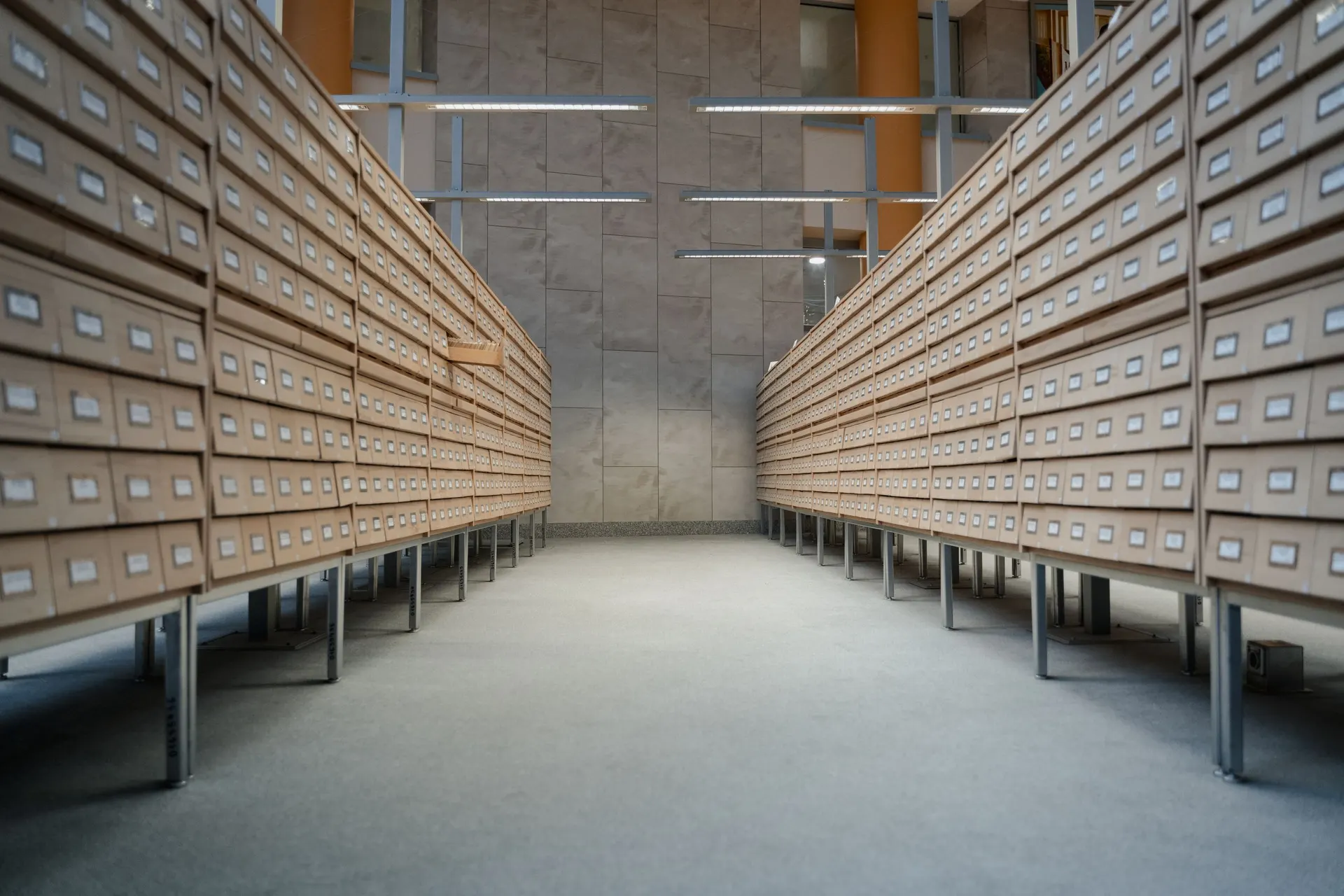
Where the value lives
Information is preserved, found, understood and reused across decades.
Each digital copy stays linked to its original and to the record that describes it.
Archive digitization
Watch how Chinh Phong preserves original records and makes archive data searchable and traceable.
Chapters
Start with one representative collection
Start with a sample collection and an agreed output standard. We shape it into a production line you can measure, accept and grow, while the original is preserved.
Assess the holdings
Survey the condition, paper size, language and sensitivity of each group of documents.
Set the standard
Fix resolution, format, the description fields and what counts as accepted, before production starts.
Produce in batches
Scan, read the text, pull out the description and check quality, batch by batch.
Hand over and preserve
Accept on a sample, load into the preservation store and open search to authorised users.
A planned expansion of our preservation work, not a claim of a finished deployment. Scope and access conditions are agreed with each archive before production begins.
Next industry pack
Heritage Conservation
Turn physical memory into digital heritage that can be preserved, researched and experienced.