

Industry Pack · Agriculture & Forestry
Agriculture & Forestry
Connect land, growing areas, households, certificates and production history into data with clear IDs.
Discuss a digitization challengeThe problem
Farm and forest records come as paper, maps and field photos, and their ID codes change between government levels and from one season to the next.
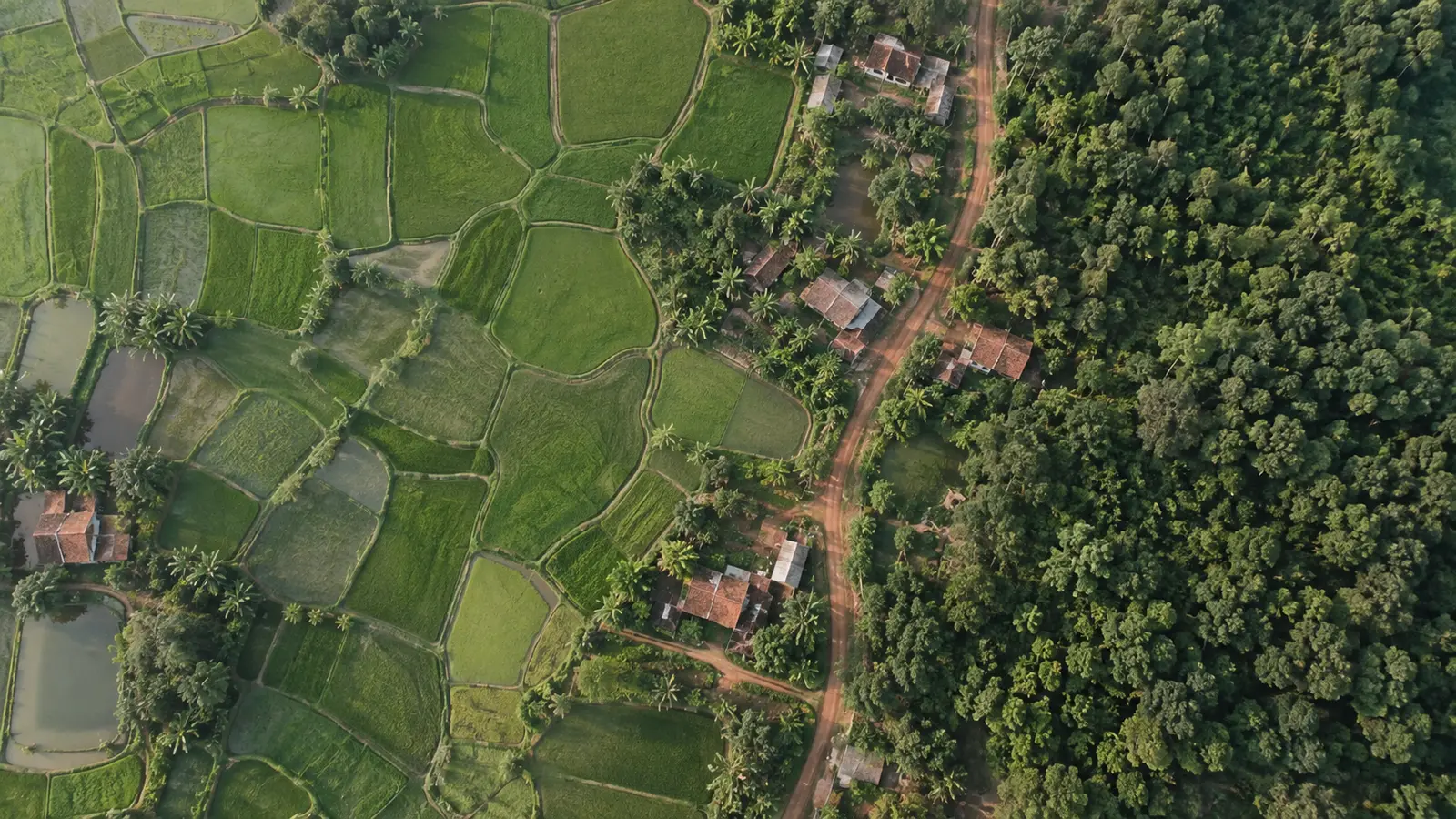
What the records follow
Many households and places, held together
Farm households, growing areas, forest lots and the certificates that cover them.
Place 1 of 3
Farm households
Place 2 of 3
Growing areas
Place 3 of 3
Forest lots
What comes in
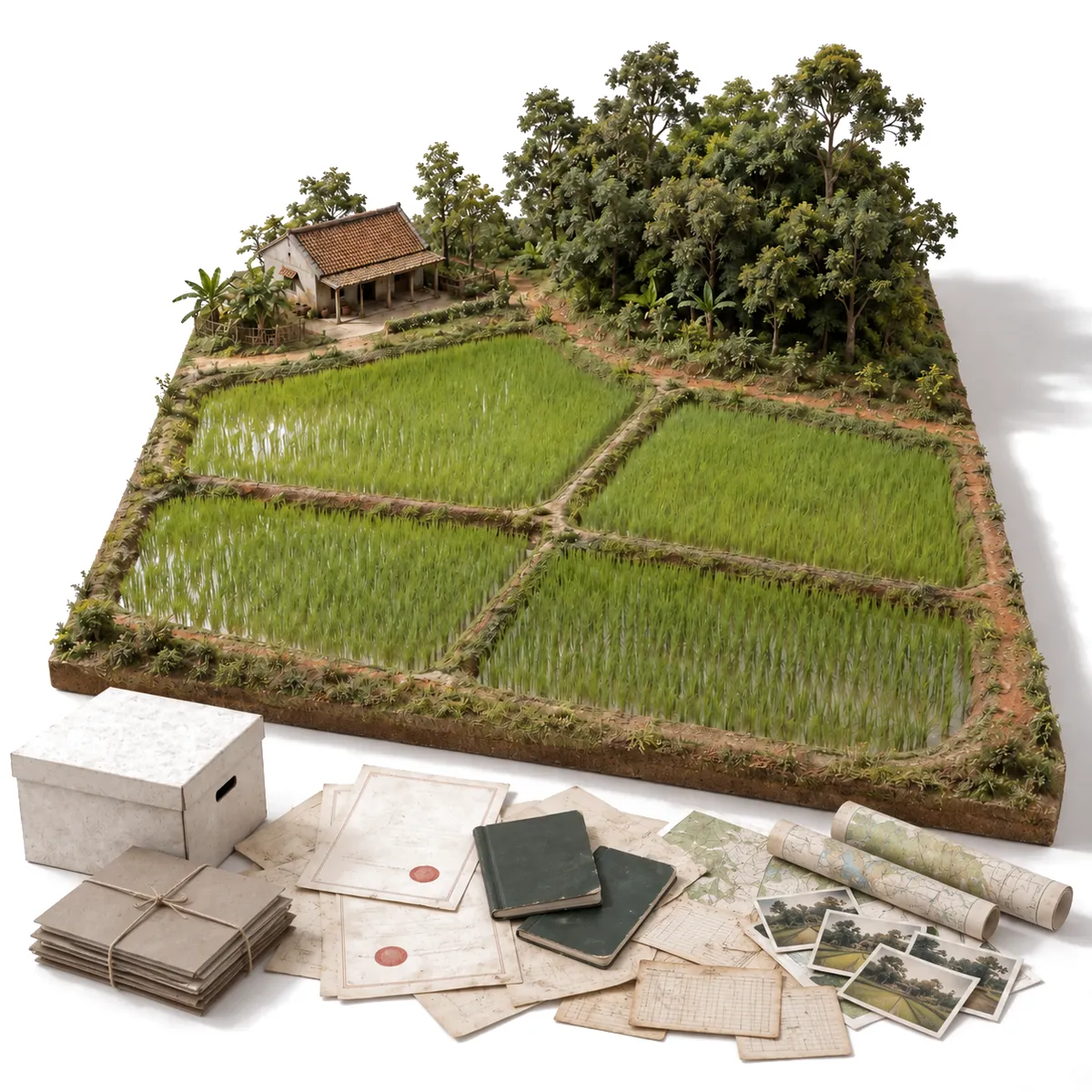
The records you start with
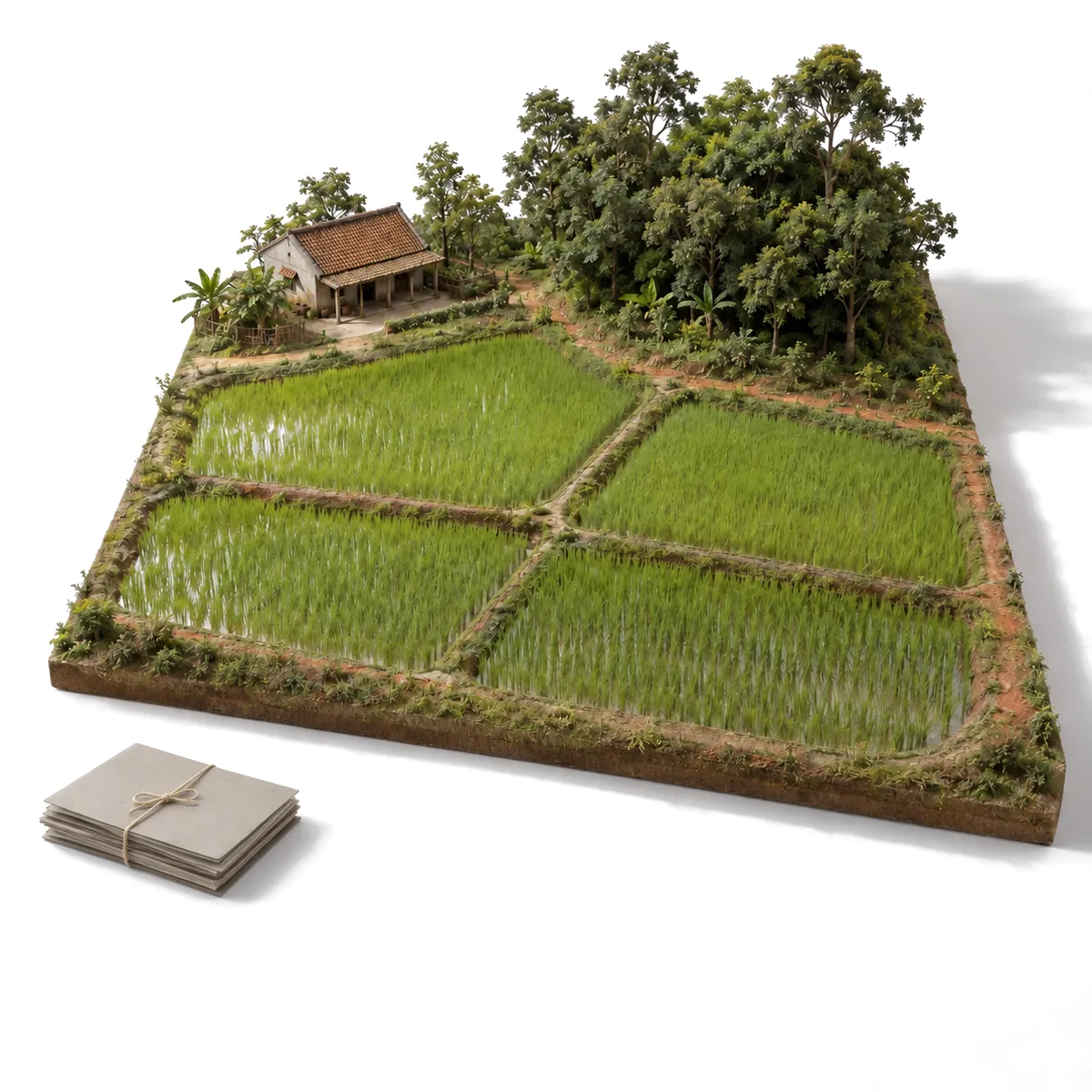
Input 1 of 5
Household and plot files
Records for farm households, registered growing areas and forest lots.
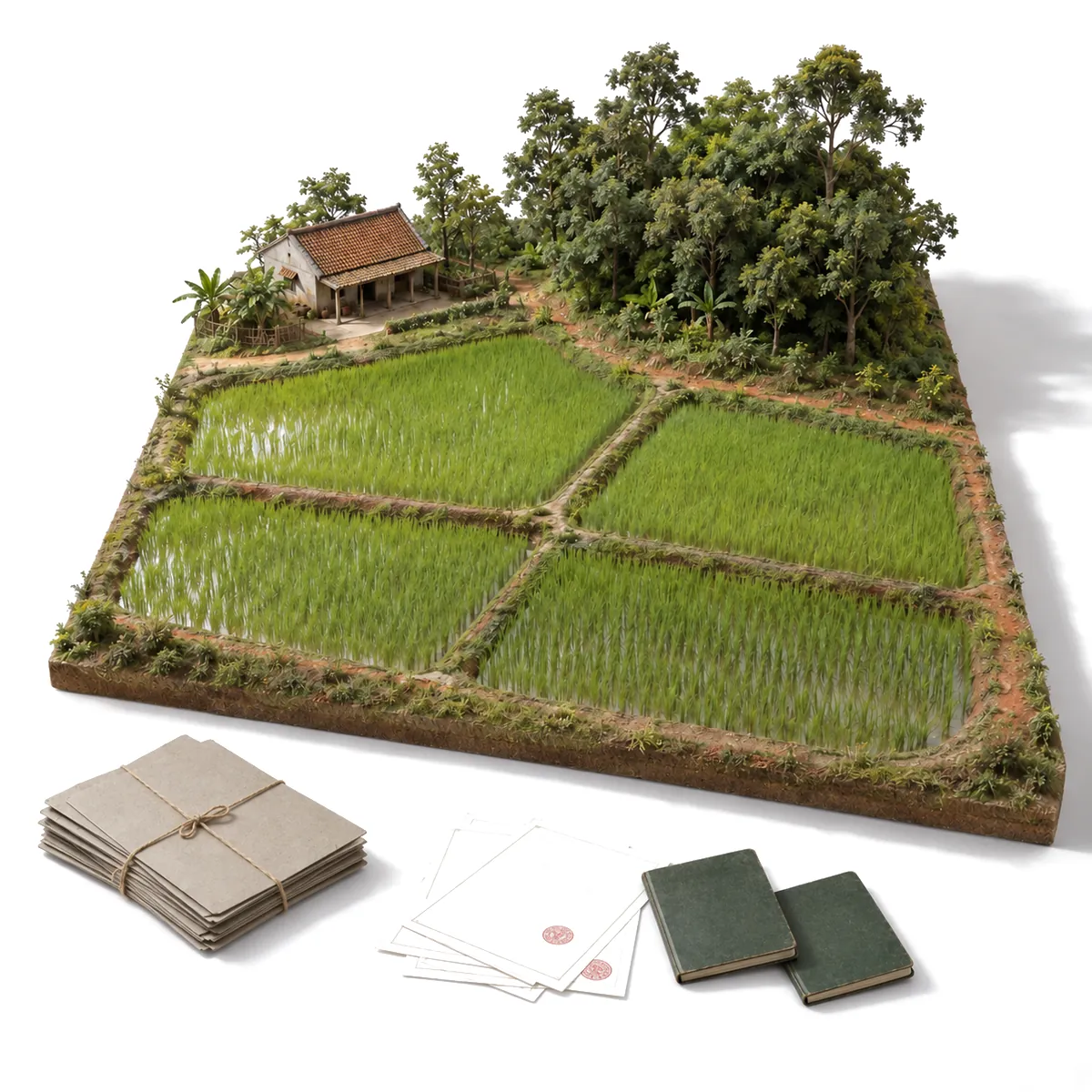
Input 2 of 5
Certificates and field logs
Certificates, inspection minutes and production logs, in mixed formats.

Input 3 of 5
Maps and field photos
Boundary maps, plot sketches and field photos.
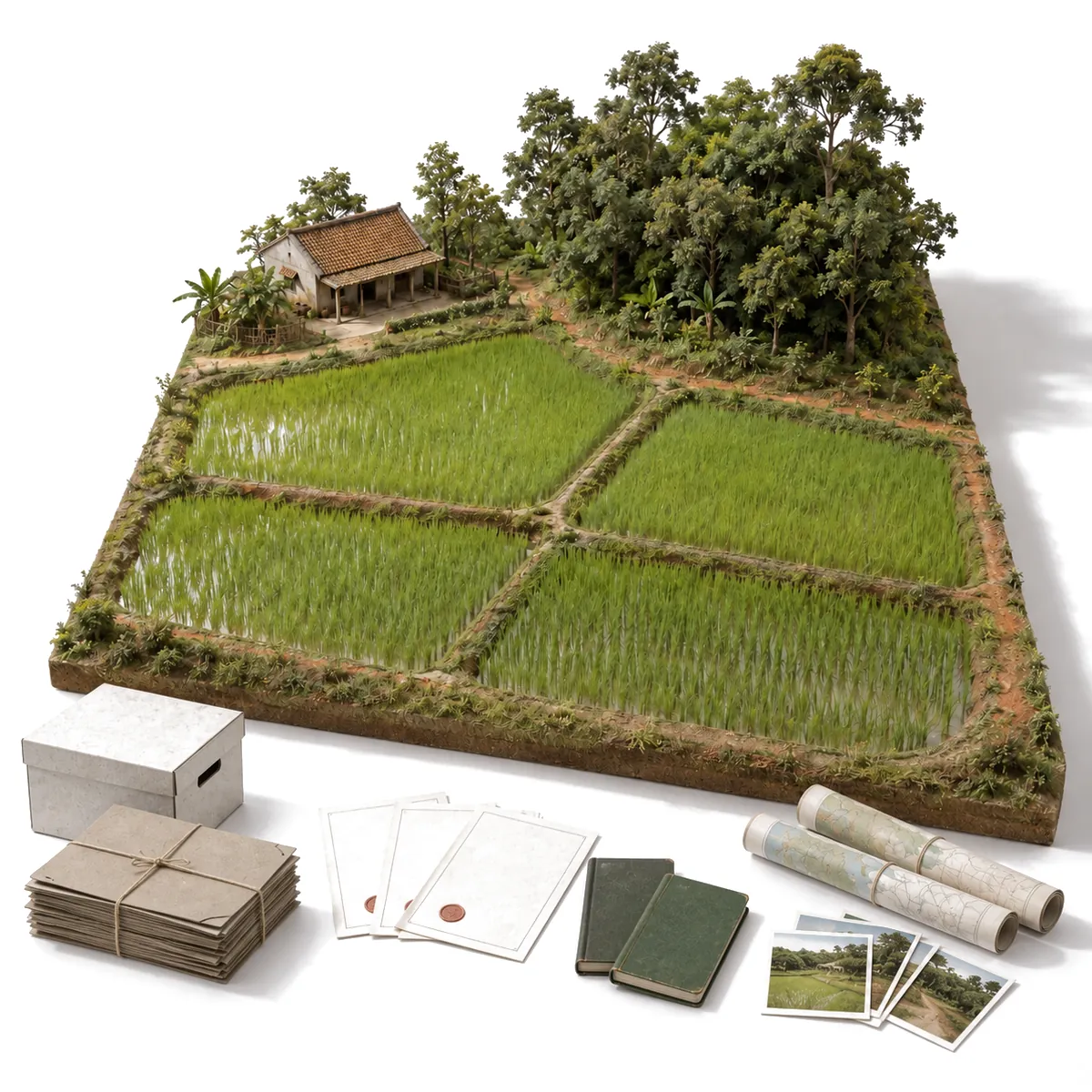
Input 4 of 5
Inspection records
The files behind traceability chains and inspection results.
Input 5 of 5
Old code lists
Commune, region and plot code lists that changed over time.
What makes it hard
Five hard problems we solve
Problem 1 of 5
One plot, many codes
The same household or plot can carry different codes at different government levels and times.
Problem 2 of 5
Paper, maps and photos together
The evidence is split across text, drawings and pictures that must be matched up.
Problem 3 of 5
Rights and seasons change
Use rights, crops and seasons change, and the current record must stay correct.
Problem 4 of 5
Certificates must trace back
Each certificate and lot must link to the right household and place.
Problem 5 of 5
Gaps and conflicts
Missing, overlapping and conflicting entries are resolved before the data is accepted.
What you get
Clean, linked records
Output 1 of 5
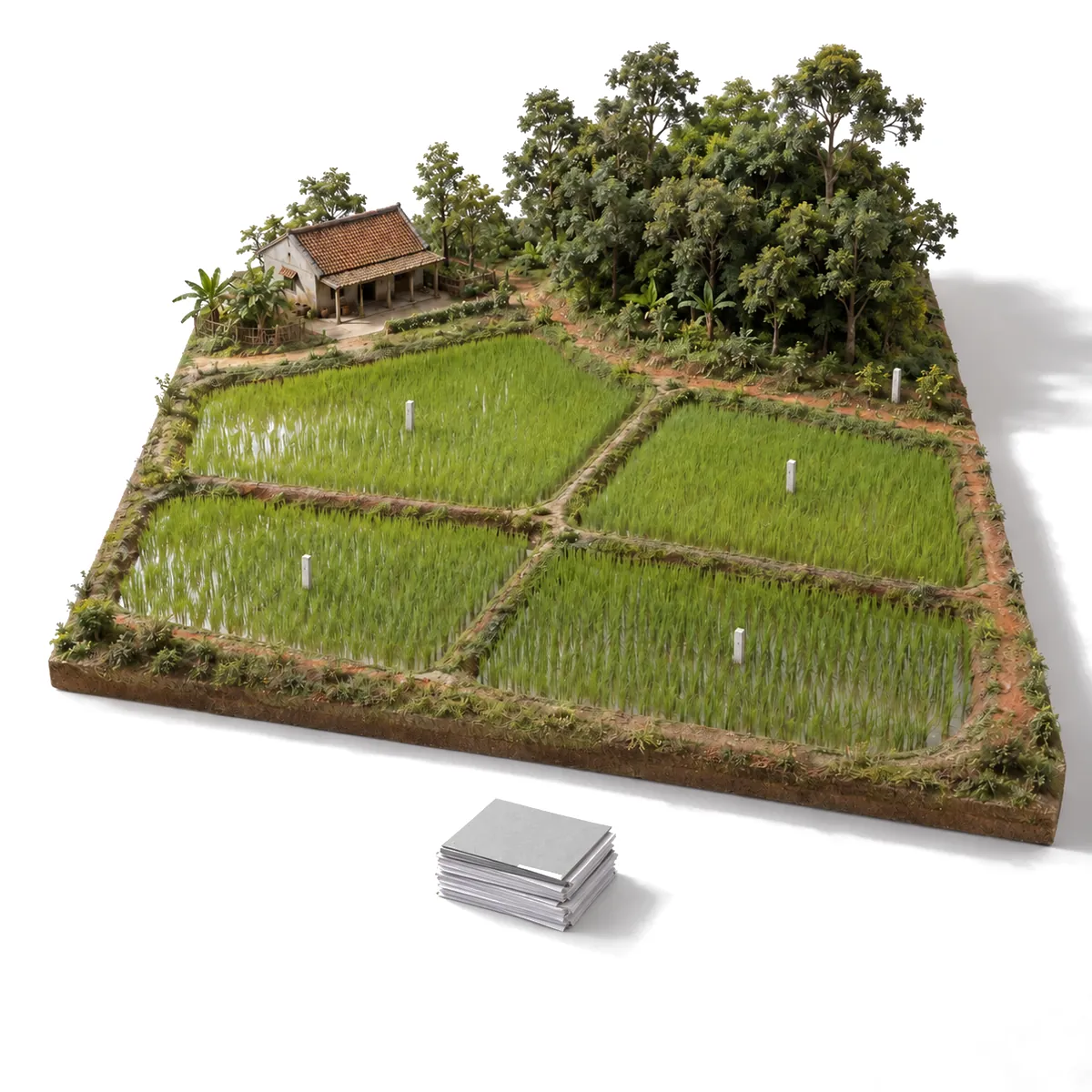
Master records
One master record for each growing area, forest lot and related asset.
Output 2 of 5
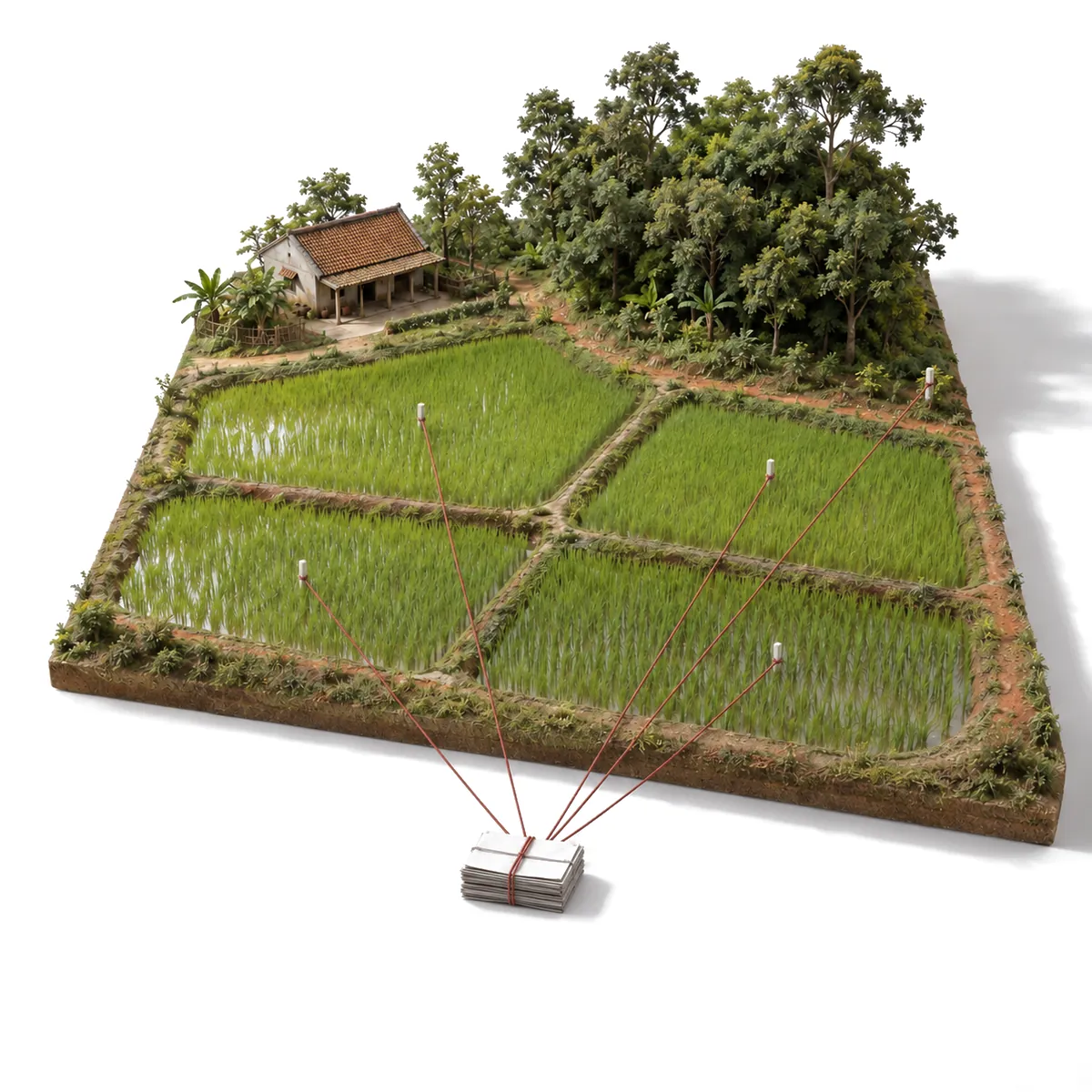
Who, where, which certificate
Each household linked to its places and its certificates.
Output 3 of 5
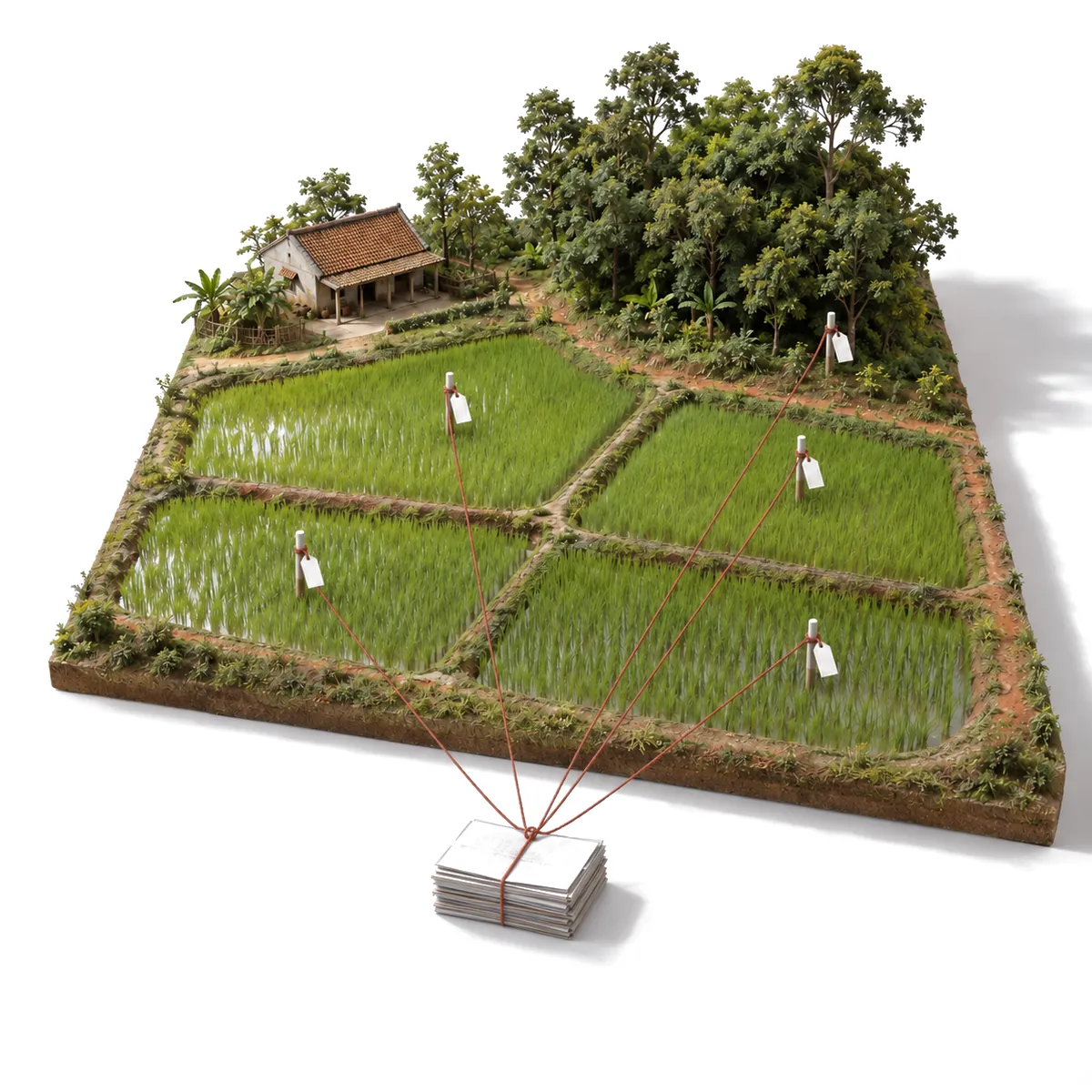
Evidence for every value
Every value keeps its source evidence and metadata.
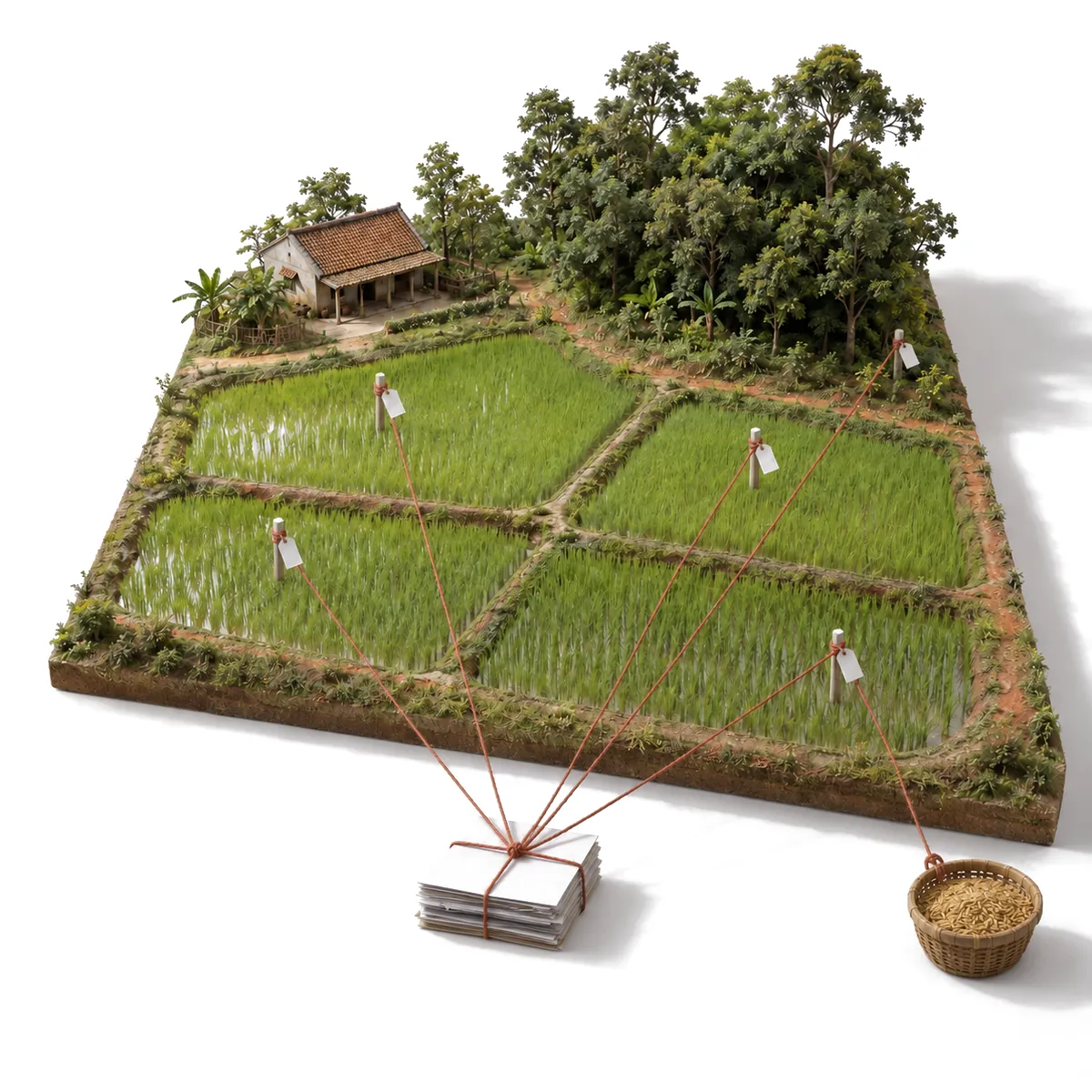
Output 4 of 5
Ready for tracing and analysis
Data packages prepared for traceability and analysis.
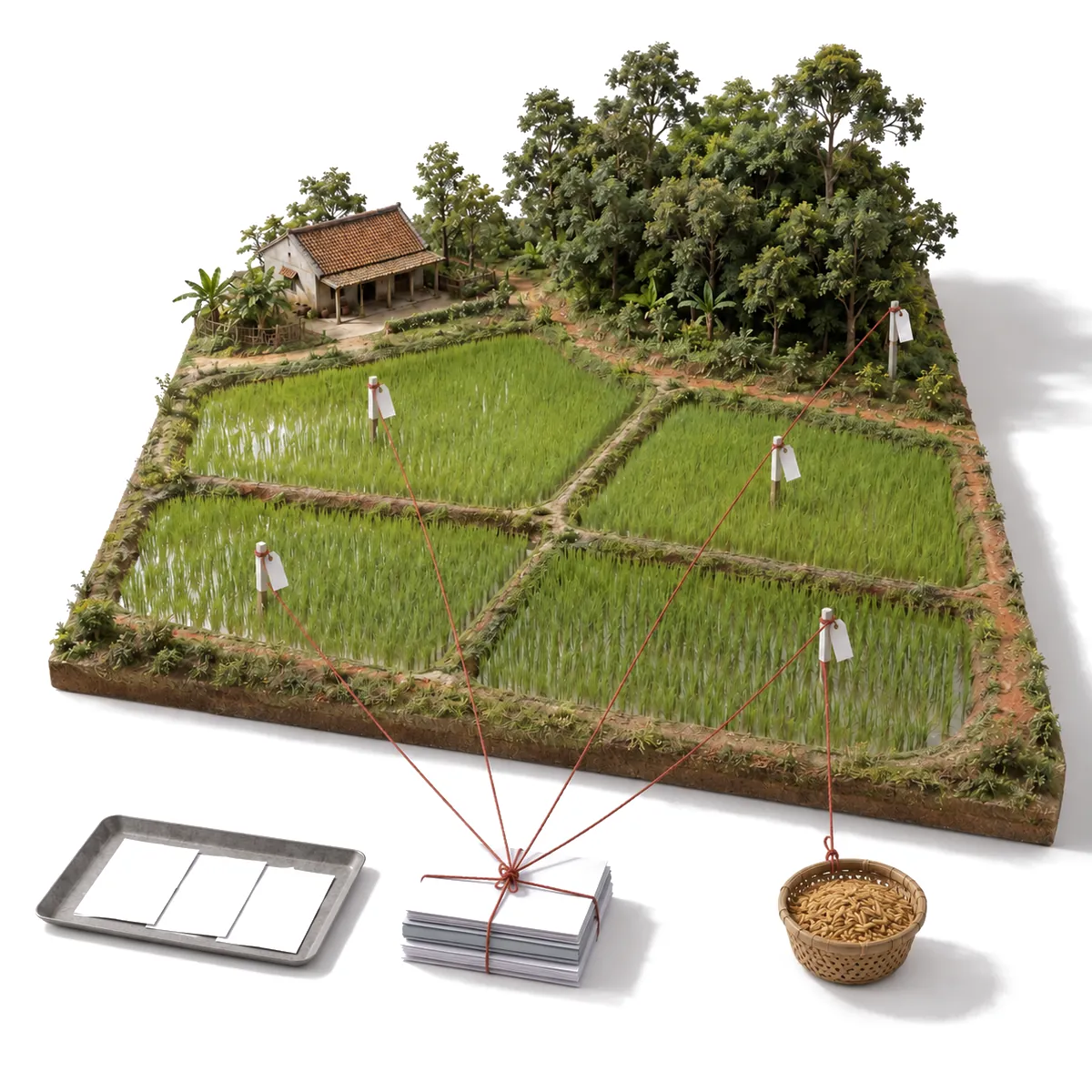
Output 5 of 5
Error reports
Reports that list duplicates, gaps and conflicts.
Why it matters
Out of scattered files, into one linked chain
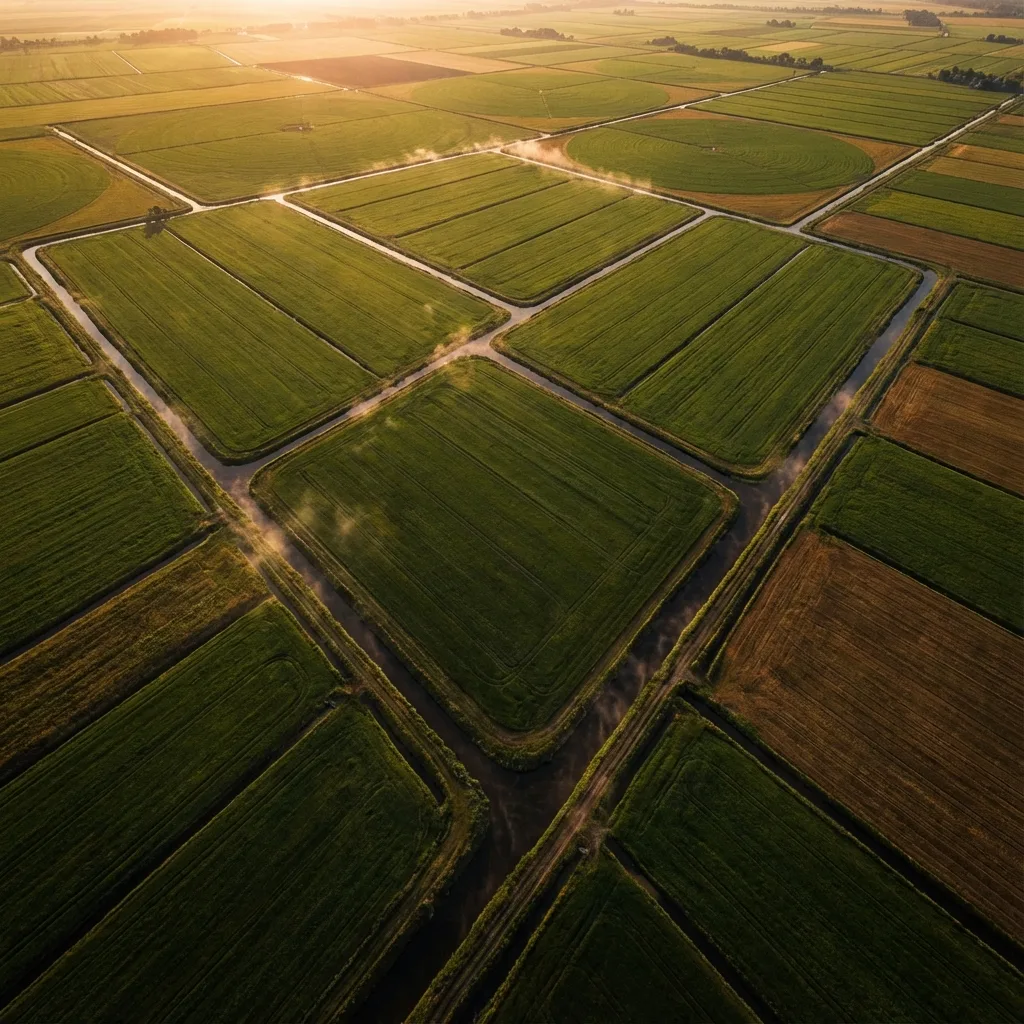
Records you can follow
Follow a household, a place or a certificate through its whole history
Your farm data moves out of scattered files into one linked chain you can check.
Start with one sample of your records
Start with one sample and a clear standard for the result. We will turn it into a data production line you can measure, accept and grow.
Pick a sample
Choose one set of records that shows your usual mix.
Fix the fields and rules
Agree the data structure, the business rules and the fields that matter most.
Agree what counts as done
Set rules for missing or conflicting records, and the checks the result must pass.
Test before scaling
Run a benchmark on the sample before full production.
This is a designed service, not a claim of a public deployment. It goes into production only after a sample of your records passes the benchmark and the acceptance checks.
Next industry pack
Infrastructure & Utilities
Link technical documents to the real assets and the way they are run.